Kratom Withdrawal: Symptoms, Timeline, and Safe Treatment Options
Published on: February 4, 2026 | Updated on: February 25, 2026
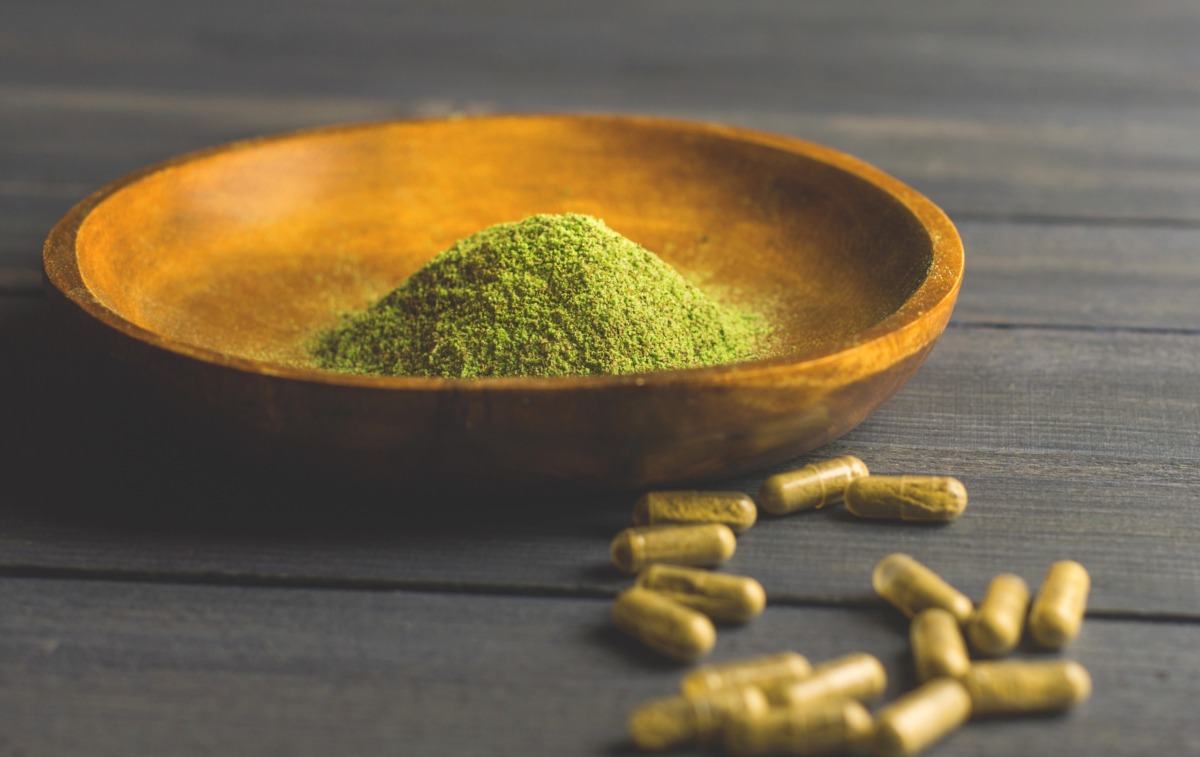
Kratom withdrawal happens when your body has become physically dependent on the substance and you reduce or stop using it. The symptoms can be uncomfortable, but with the right support and medical care, you can get through this safely.
Kratom contains natural compounds called alkaloids—mainly mitragynine—that attach to the same receptors in your brain that opioids do. When you use kratom frequently over time, your body adjusts to its presence. When you stop, your system needs time to readjust, which is what causes withdrawal symptoms.
How severe your withdrawal is depends on several things: how much you were taking, how long you’ve been using it, your individual body chemistry, and whether you were using other substances at the same time.
What is Kratom Withdrawal?
Kratom withdrawal occurs when someone who has been using kratom regularly stops or significantly reduces their use. Because kratom’s active compounds interact with opioid receptors in the brain, regular users can develop physical dependence, leading to kratom detox symptoms when they stop.
Kratom is a tropical tree (Mitragyna speciosa) native to Southeast Asia, particularly Thailand, Malaysia, and Indonesia. Its leaves contain compounds that can have psychoactive effects. Kratom’s legal status varies widely; it’s banned in some countries and regulated differently across U.S. states. The FDA has not approved it for medical use and has expressed concerns about its safety, including risks of addiction, abuse, and adverse effects. There have been reports of deaths associated with kratom, though often in combination with other substances.
Common Symptoms of Kratom Withdrawal
Kratom withdrawal typically includes a mix of physical and emotional symptoms. Here’s what many people experience when they stop using kratom:
Physical symptoms:
- Muscle aches and joint pain
- Sweating, chills, and goosebumps
- Runny nose and watery eyes
- Trouble sleeping and feeling exhausted
- Nausea, vomiting, stomach cramps, and diarrhea
- Restlessness and yawning
Emotional and mental symptoms:
- Anxiety and irritability
- Low mood or feeling down
- Strong cravings for kratom or other substances
Some people also report tremors, a racing heart, or worsening of pre-existing mental health conditions during kratom detox. Everyone’s experience is different—your symptoms might be milder or more intense depending on your situation.
Related read: 7 Signs You Need Detox + What To Do Next
When Kratom Withdrawal Symptoms Start and How Long They Last
The timeline for kratom withdrawal varies from person to person, but there’s a general pattern:
Onset: For most people, symptoms start within 6 to 24 hours after their last dose. If you’ve been using high doses for a long time, symptoms might not appear until 24 to 48 hours later.
Peak: Symptoms usually hit their worst point between 24 and 72 hours after your last dose. This is typically when you’ll feel the most uncomfortable.
Acute phase: The most intense symptoms usually improve significantly within about 5 to 10 days.
Post-acute phase: Some people experience lingering symptoms like sleep problems, low energy, mood swings, or occasional cravings that can last for weeks or even months. These longer-term symptoms are usually less intense than the acute phase, but they’re still real and can affect your daily life.
The good news? These post-acute symptoms typically respond well to ongoing support, therapy, and time.
Read Next: How Long Does Kratom Stay in Your System?
How Kratom Withdrawal Compares to Opioid Withdrawal
Because kratom acts on opioid receptors in the brain, kratom withdrawal often feels similar to withdrawing from prescription opioids or heroin. However, it’s not exactly the same.
Many people describe kratom withdrawal as milder than withdrawal from strong opioids like heroin or fentanyl. That said, if you’ve been using high doses of kratom for a long time, your withdrawal can be just as severe as traditional opioid withdrawal.
If you’ve been mixing kratom with other opioids or sedatives, your withdrawal can be more complicated and potentially more dangerous. This is definitely a situation where medical supervision becomes important.
Should You Taper Kratom or Quit Cold Turkey?
Here’s the honest truth: Gradually tapering off kratom is almost always safer and more comfortable than quitting abruptly.
When you taper, you reduce your dose slowly over time, which gives your body a chance to adjust. This approach:
- Makes symptoms less severe
- Reduces your risk of complications like severe dehydration from vomiting or diarrhea
- Makes you less likely to relapse
- Gives you a sense of control over the process
Quitting cold turkey can work for some people, but it often leads to more intense symptoms that can be hard to manage on your own.
A Sample Kratom Tapering Plan (Personalized to You)
While every taper needs to be customized to your situation, here’s a basic framework that many people find helpful:
Week 1: Reduce your total daily dose by about 10%. Split your doses evenly throughout the day to avoid peaks and valleys.
Week 2: Cut another 10% to 15% based on how you’re feeling.
Ongoing: Continue reducing by 10% to 20% every 3 to 7 days, paying close attention to your symptoms.
Important adjustments:
- If withdrawal symptoms get too uncomfortable, slow down your taper or hold steady at your current dose for a few extra days
- People who were using very high doses or who had severe withdrawal in the past may need an even slower taper
- Medical supervision makes this process safer and more comfortable, especially if you have other health conditions
There’s no one-size-fits-all approach here. Working with a medical professional helps you create a plan that’s right for your specific situation.
Medications That Can Help Kratom Withdrawal
While there aren’t many large-scale studies specifically on kratom withdrawal, doctors have successfully used several medications to ease symptoms. Here are some options your doctor might consider:
For physical symptoms:
- Clonidine or lofexidine to reduce sweating, anxiety, and rapid heartbeat
- Over-the-counter pain relievers like ibuprofen or acetaminophen for body aches
- Anti-nausea medications and loperamide for stomach issues
For sleep and anxiety:
- Trazodone or hydroxyzine for insomnia and anxiety
- Gabapentin for certain anxiety and sleep problems (in select cases)
All of these medications need to be prescribed and monitored by a healthcare provider who knows your full medical history. They work best when combined with a tapering plan and emotional support.
What About Buprenorphine or Methadone?
Buprenorphine (Suboxone) and methadone are proven medications for treating opioid use disorder, and they might be appropriate if:
- You meet the criteria for opioid use disorder
- You’re experiencing severe opioid-type withdrawal
- Other treatments haven’t worked for you
However, these aren’t automatically the first choice for everyone withdrawing from kratom. The decision to use these medications requires careful evaluation by a specialist who can consider your specific goals, treatment history, and overall situation.

Can You Detox Kratom at Home or Do You Need Medical Help?
This depends on your individual circumstances. Some people with relatively light, short-term kratom use and no other health complications might be able to taper safely at home with close outpatient follow-up from a doctor.
You should strongly consider medical supervision if:
- You’ve been using kratom heavily or for a long time
- You’re also using opioids, benzodiazepines, or other sedatives
- You have medical conditions, are pregnant, or take other medications
- You’ve had severe withdrawal symptoms, seizures, or suicidal thoughts in the past
- You don’t have a strong support system at home
- You’re worried about being able to manage fluids and medications safely on your own
Medically supervised detox in a facility with nursing staff and physician oversight can reduce your risk, help control symptoms faster, and provide integrated therapy as part of a structured program.
The level of supervision you need should match your level of risk—there’s no shame in getting the support that will keep you safe.
Read Next: Can You Overdose on Kratom? Everything You Need to Know
When to Seek Emergency Care for Kratom Withdrawal
Call 911 or go to the emergency room immediately if you experience:
- Severe shortness of breath, chest pain, or fainting
- Confusion, severe agitation, or symptoms of psychosis
- Seizure activity
- Inability to keep fluids down with signs of dehydration (dizziness when standing, dark urine, extreme thirst)
- Suicidal thoughts or actions
- Signs of severe respiratory depression (very slow or shallow breathing), especially if you mixed kratom with benzodiazepines, alcohol, or opioids
It’s also worth noting that some kratom products sold online or in stores are contaminated with other substances. If you experience sudden, unexpected, or severe symptoms, get medical help right away.
Studies suggest that kratom is unlikely to kill you; however, kratom may be cut or combined with other more nefarious substances that warrent emergeny attention.
If You Have a History of Opioid Use
If you’ve struggled with opioid use disorder in the past or you’re currently using other opioids along with kratom, your withdrawal might be more complicated.
Previous patterns of dependence and cross-tolerance can make withdrawal more severe and unpredictable. You’ll likely benefit from:
- A higher level of medical care
- Possible consideration of medications like buprenorphine or methadone
- Coordination with addiction specialists
Being honest with your healthcare team about your full substance use history—even if it feels difficult—helps them create the safest, most effective treatment plan for you.
Will Kratom Show Up on a Drug Test?
Standard urine drug screens don’t typically detect kratom. The tests you’d get at a doctor’s office, workplace, or probation officer usually screen for common substances like THC, cocaine, amphetamines, and standard opioids—but not kratom alkaloids like mitragynine.
Special laboratory tests can detect kratom, but they have to be specifically ordered. They’re not part of routine testing.
Your healthcare team will rely on your honest reporting, observed symptoms, and clinical evaluation more than drug testing when assessing kratom withdrawal.
Holistic Support That Can Help with Kratom Withdrawal
Complementary therapies can be a helpful addition to medical treatment during your taper or detox. Many people find relief from:
- Acupuncture for pain and anxiety
- Massage therapy for muscle aches and relaxation
- Yoga and gentle stretching
- Breathing exercises and meditation
- Gentle chiropractic care
These approaches work best when they’re part of a comprehensive treatment plan that includes medical oversight. The evidence for how well they work varies, but many people find them useful for managing discomfort, improving sleep, and reducing stress.
Think of these as tools in your toolkit—not replacements for medical care, but valuable supplements to it.
Where You Get Help Matters
Making the decision to stop using kratom and get help is a big, courageous step. The environment where you detox and begin your recovery matters more than you might think.
At Journey Hillside Tarzana, we provide medically supervised detox in a private, comfortable setting where you can focus on healing. Here’s what sets our program apart:
- Single-room privacy in a small, six-bed facility that feels more like a home than a hospital
- 24/7 in-person nursing so there’s always someone there if you need help
- Direct access to our in-person Medical Director for immediate medical decisions and adjustments
- One-on-one therapy included as part of both our detox and residential programs
- Specialty tracks for veterans, first responders, and professionals who may have unique needs
Medical stabilization, symptom management, and therapeutic support all happen under one roof. If you need medications to ease symptoms, help sleeping, or support for co-occurring mental health conditions, our team can provide that in real time.
Recovery doesn’t have to mean suffering through withdrawal alone. Choosing a medically staffed, private setting can make this transition safer, more comfortable, and more likely to succeed.
Safe, Medically Supervised Detox and Personalized Care
If you’re ready to stop using kratom and you’re looking for a private, medically supervised environment to begin your recovery, we’d like to help.
Our admissions team can speak with you confidentially about how medically supervised detox, 24/7 nursing care, and direct access to our Medical Director can support a safe transition. One-on-one therapy is included as part of our detox and residential programs, and our small, six-bed setting ensures you get the privacy and individualized attention you deserve.
We can verify your insurance coverage or discuss payment options. If you’re a veteran, first responder, or professional with unique needs, ask about our specialty tracks.
You don’t have to do this alone. Reach out today to discuss your next steps.
______
Kratom Withdrawal FAQ
Here are some questions people also ask about kratom withdrawal, use, and addiction.
What are the most common symptoms of kratom withdrawal?
The most common symptoms include muscle aches, sweating, runny nose, insomnia, nausea, vomiting, diarrhea, anxiety, irritability, restlessness, and cravings. How intense these symptoms feel varies based on how much you were taking, how long you used it, and your individual body chemistry.
When do kratom withdrawal symptoms usually start after the last dose?
For most people, symptoms begin within 6 to 24 hours after the last dose. If you’ve been using high doses for a long time, symptoms might not start until 24 to 48 hours later. Everyone’s timeline is a little different.
How long does kratom withdrawal typically last?
The acute phase—when symptoms are at their worst—usually peaks within 24 to 72 hours and improves significantly over 5 to 10 days. Some people have lingering symptoms that last longer, but those are typically less intense.
Can kratom withdrawal include a post-acute phase lasting weeks or months?
Yes. Some people experience ongoing sleep problems, mood changes, or periodic cravings for weeks or even months after the acute phase ends. These post-acute symptoms are usually less intense than the initial withdrawal but can still affect your daily functioning. Ongoing support and therapy help manage this phase.
Is kratom withdrawal generally milder or different from classic opioid withdrawal?
Kratom withdrawal can be milder for many people compared to withdrawing from strong opioids like heroin or fentanyl. However, if you’ve been using high doses of kratom for a long time, your withdrawal can feel just as severe as traditional opioid withdrawal. The severity depends on individual factors and whether you’ve been using other substances as well.
Is tapering off kratom safer than quitting cold turkey?
Yes, a gradual taper is generally safer and easier to tolerate than stopping abruptly. Tapering reduces symptom severity and lowers the risk of medical complications like severe dehydration. It also tends to make relapse less likely for some people.
What does an example kratom taper schedule look like and how should it be personalized?
A common approach is reducing your total daily dose by about 10% to 20% every 3 to 7 days while monitoring your symptoms. If withdrawal becomes too uncomfortable, you slow down the taper or hold steady at your current dose for a few days. The taper should be personalized based on how much you were using, how long you used it, past withdrawal experiences, your overall health, and what you prefer. Working with a medical professional makes this process safer.
Can I detox from kratom at home, or do I need medical supervision?
Some people with brief, low-dose use and no other health complications can safely taper at home with regular check-ins from a doctor. Medical supervision is strongly recommended if you’ve been using high doses for a long time, you’re using other substances, you have medical or mental health conditions, you’re pregnant, you’ve had severe withdrawal before, or you don’t have strong support at home.
When should someone seek urgent medical care during kratom withdrawal?
Seek emergency care immediately for severe shortness of breath, chest pain, fainting, confusion, seizures, inability to keep fluids down with signs of dehydration, or suicidal thoughts. Unexpected or unusually severe symptoms could also indicate that your kratom was contaminated with other substances, which requires immediate evaluation.
Are there medications that can help with kratom withdrawal symptoms?
Yes. Doctors may prescribe clonidine or lofexidine for physical symptoms like sweating and rapid heartbeat, pain relievers for body aches, anti-nausea medications for stomach issues, and medications like trazodone or hydroxyzine for sleep and anxiety. Gabapentin is sometimes used as well. All medications should be prescribed and monitored by a healthcare provider.
Should buprenorphine or methadone be used as first-line treatment for kratom withdrawal?
Not routinely. These medications are established treatments for opioid use disorder and might be appropriate if you meet criteria for opioid use disorder, have severe withdrawal symptoms, or other treatments haven’t worked. A specialist evaluation helps determine whether these medications are right for your situation.
Does a history of opioid use increase the risk or severity of kratom withdrawal?
Yes. If you’ve used opioids in the past or you’re currently using them, your kratom withdrawal may be more severe and complicated. You might need a higher level of medical care and specialist oversight.
Will kratom use show up on a standard drug or toxicology screen?
No, standard drug screens don’t detect kratom alkaloids like mitragynine. Special laboratory tests are required to detect kratom, and they’re not part of routine testing.
What holistic therapies can help during a kratom taper?
Acupuncture, massage therapy, yoga, breathing techniques, and gentle chiropractic care can help with symptom relief, sleep, and stress reduction. These therapies work best when used alongside medical treatment as part of a comprehensive care plan.

Matthew Snyder, LMFT, C-DBT
Specialty: DBT Certified Therapist, Certified Anger Management Specialist
Matthew Snyder is a Licensed Marriage and Family Therapist and the Clinical Director of Journey Hillside Tarzana. He is a graduate of the University of California, Santa Cruz, where he completed his B.A in Psychology, and was awarded Honors in the Psychology Major. He is also a graduate of Pepperdine University, where he earned his Masters in Clinical Psychology.