How to Get Off Kratom: Safe, Evidence-Informed Steps
Published on: February 17, 2026 | Updated on: June 15, 2026
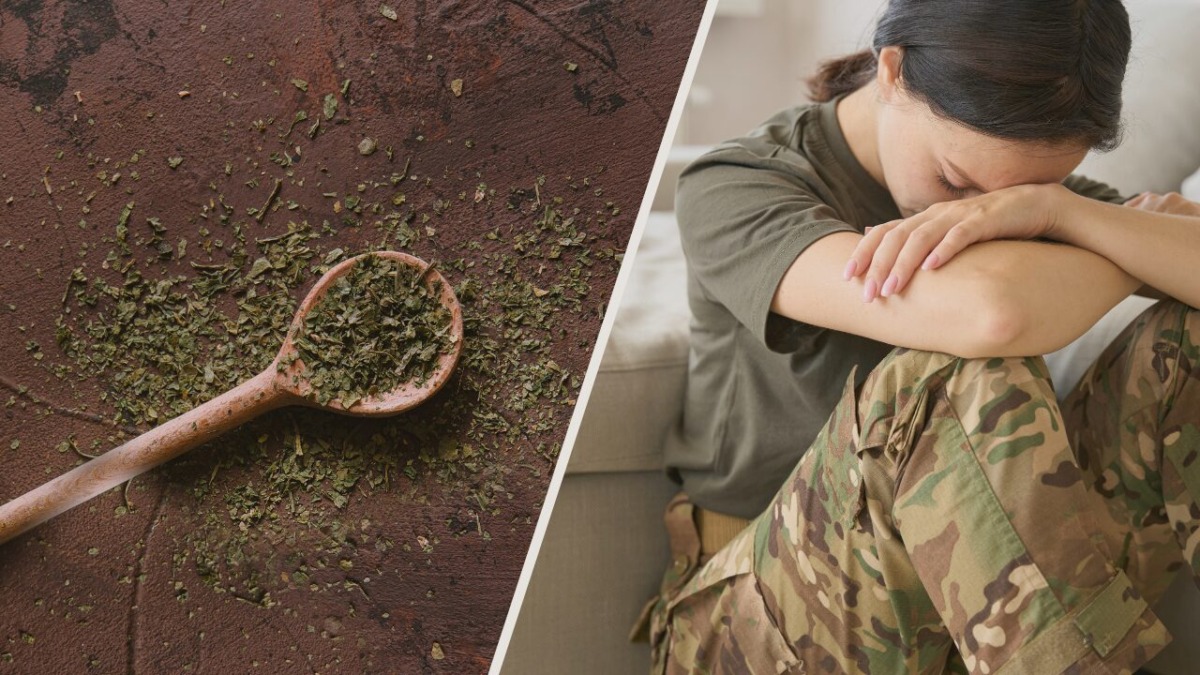
Are you wondering how to get off kratom? Deciding to stop using kratom is a meaningful step—and knowing what to expect makes that step far less daunting. Kratom dependence is a physiological response, not a character flaw, and with the right support in place, withdrawal can be managed safely and with significantly less discomfort than many people fear.
This guide walks through everything you need to know: how dependence develops, what withdrawal feels like, how to choose the right approach for your situation, and when medically supervised detox is the safest path forward.
Our exclusive detox program is built around continuous 24/7 nursing care and direct, in-person oversight from our medical director — not remote supervision. Because we admit only six clients at a time, every person who walks through our doors receives genuinely individualized attention, with a detox and treatment plan developed specifically for them. Private rooms are available for all detox clients, supporting rest and recovery in a calm, dignified environment.
Understanding Kratom and Physical Dependence
Kratom is a plant-based product derived from Mitragyna speciosa, a tree native to Southeast Asia. At lower doses, its alkaloids produce stimulant-like effects; at higher doses, they bind to opioid receptors in ways that closely resemble the action of opioid drugs. That mechanism is important, because it explains why regular or high-dose kratom use can produce genuine physical dependence, and a recognizable withdrawal syndrome when use stops or is reduced.
Physical dependence is the body’s adaptation to the consistent presence of a substance. It is distinct from moral failure, and it is distinct from addiction, though both can occur together. What matters most is understanding your own pattern of use (the dose, frequency, and duration) because that information directly shapes the safest and most effective approach to stopping.
What Kratom Withdrawal Feels Like
Kratom withdrawal closely resembles mild to moderate opioid withdrawal, though its severity varies considerably from person to person based on individual physiology, duration of use, and daily dose.
Commonly reported symptoms include:
- Anxiety, irritability, and low mood
- Muscle aches, joint pain, and physical restlessness
- Insomnia and disrupted sleep
- Nausea, vomiting, abdominal cramping, and diarrhea
- Sweating, runny nose, and increased tearing
- Yawning, chills, and tremor
- Persistent cravings for kratom
Typical timeline:
Onset most often begins 6 to 24 hours after the last dose. Kratom withdrawal symptoms typically peak within the first 24 to 72 hours and begin to ease over 3 to 7 days for most people. However, a meaningful subset of individuals experience protracted symptoms — including mood instability, low energy, sleep disruption, and intermittent cravings — for several weeks or even months after stopping.
Understanding this timeline helps set realistic expectations and informs whether tapering, home management, or a medically supervised kratom detox is the most appropriate choice.
Fast Fact: Because kratom acts on opioid receptors at higher doses, its withdrawal pattern shares significant overlap with opioid withdrawal — including its physical symptoms, timeline, and response to certain medications used in addiction medicine.
Tapering vs. Quitting Cold Turkey: Which Is Right for You?
There is no single right answer here — the best approach depends on your history, current dose, and overall health. Here is how the two options compare.
Tapering involves gradually reducing your dose and frequency over time, allowing your body to adjust to progressively smaller amounts of kratom before stopping entirely. For most people with long-term or high-dose use, tapering significantly reduces the intensity of acute withdrawal and lowers the risk of complications. A taper plan should be individualized — your starting dose, how quickly you reduce, and whether you use any medications to ease the transition should all be guided by a clinician whenever possible.
Quitting abruptly (cold turkey) may be feasible for someone with relatively short-term, low-dose use and no significant medical or psychiatric risk factors. That said, abrupt cessation tends to produce more intense early symptoms, and it increases the risk of relapse driven purely by discomfort. For anyone with a substantial history of use, other substances in the picture, or underlying mental health conditions, cold turkey is generally not recommended without medical support.
Pro Tip: If you are unsure which approach is appropriate for you, a clinician with experience in addiction medicine can review your use history and help design a plan that minimizes risk and increases the likelihood of success.

When to Seek Medical Supervision Instead of Detoxing at Home
Home detox is not appropriate for everyone — and choosing the right level of care is one of the most important decisions in this process. Medical supervision is strongly recommended in the following situations:
- High-dose or long-term kratom use, particularly if you have been using kratom daily for months or years
- Concurrent use of other substances, including alcohol, benzodiazepines, or opioids, which can significantly complicate withdrawal
- Significant medical conditions or pregnancy, where physiological stress during withdrawal carries additional risk
- Active suicidal ideation or severe psychiatric symptoms, which require immediate clinical attention
- A history of severe withdrawal or prior failed attempts at stopping without support
- History of kratom overdose (or polysubstance overdose) or other medical complications with the substance
Medically supervised detox provides 24/7 nursing care, continuous medical assessment, symptom management, and rapid physician response if complications arise. Detox settings range from outpatient medical monitoring to inpatient programs and full residential detox. For individuals with multiple risk factors, a structured residential environment that combines medical oversight with therapeutic support and aftercare planning offers the safest and most comprehensive path forward.
Medications That Can Help During Kratom Withdrawal
There are currently no FDA-approved medications specifically for kratom withdrawal. However, several evidence-informed, off-label options are used by clinicians experienced in addiction medicine to significantly reduce discomfort and support safety during the process.
Medications commonly used in clinical settings include:
- Clonidine — reduces autonomic symptoms such as sweating, elevated heart rate, and agitation
- Gabapentin or short-term sedative-hypnotics — may be considered for severe insomnia or anxiety, used with appropriate caution given their own dependence potential
- Antiemetics and antidiarrheals — directly address nausea, vomiting, and gastrointestinal cramping
- NSAIDs and muscle relaxants — help relieve muscle aches and joint pain
- Buprenorphine — may be appropriate when kratom use co-occurs with opioid use disorder, given its established evidence base for opioid-related withdrawal and dependence
All medication decisions should be individualized and managed by clinicians with addiction medicine experience. Medication alone is rarely sufficient — it is most effective when integrated into a structured program that also includes medical monitoring and psychosocial support.
Managing Post-Acute Withdrawal and Long-Term Cravings
For many people, the acute phase of kratom withdrawal is just the beginning. Post-acute withdrawal symptoms (PAWS) — including mood swings, low energy, sleep disruption, and intermittent cravings — can persist for weeks to months after the body has cleared kratom. This phase is one of the most common triggers for relapse, which is why a structured aftercare and recovery plan matters as much as the initial detox.
Strategies that support recovery during this phase include:
- Structured daily routines that incorporate consistent sleep schedules, regular meals, and physical activity
- Cognitive behavioral therapy (CBT) and relapse prevention planning to address thought patterns that drive cravings
- Peer support or professionally led group therapy integrated into an ongoing treatment plan
- Sleep hygiene practices, mindfulness techniques, and gentle physical activities such as walking or yoga
- Case management to help stabilize employment, housing, and legal concerns that may affect recovery
- Medication management for clinically significant depression or anxiety that persists beyond the acute withdrawal period
A coordinated plan that blends medical oversight, behavioral therapies, and practical life support consistently produces better outcomes than any single intervention alone.
Kratom Detox and Residential Treatment at Journey Hillside Tarzana
For individuals who need a private, medically supervised environment to safely stop using kratom, Journey Hillside Tarzana offers one of the most personalized and comprehensive settings available.
One-on-one therapy is included as a standard component of both detox and residential treatment — not an optional add-on. Our clinical approach integrates evidence-based care with holistic therapies and specialty tracks for veterans, first responders, and professionals, ensuring that the full context of a person’s life and recovery goals is addressed from day one.
Located in the quiet hills of Tarzana, California, our facility provides seclusion, comfort, and a restorative atmosphere that supports healing at every level. Aftercare planning begins during treatment, so clients leave with a clear, supported path forward — not just an end to withdrawal.
Frequently Asked Questions About Getting Off Kratom
What are the most common symptoms of kratom withdrawal? The most frequently reported symptoms include anxiety, irritability, muscle aches, restlessness, insomnia, nausea, diarrhea, sweating, runny nose, and intense cravings. Severity depends on the dose, frequency, and duration of use, as well as individual health factors.
How long does kratom withdrawal typically last? Acute symptoms generally begin within 6 to 24 hours after the last dose, peak within 24 to 72 hours, and ease over 3 to 7 days for most people. Some symptoms — particularly cravings, mood instability, and sleep difficulties — can persist for weeks, and a smaller number of individuals experience protracted symptoms for several months.
Should I taper or quit kratom cold turkey? Tapering is typically recommended for anyone with long-term or high-dose use because it reduces the intensity of withdrawal. Cold turkey may be feasible for short-term, low-dose users but often produces more intense early symptoms. A clinician can help determine the safest approach based on your specific situation.
Can I safely detox from kratom at home? Some individuals with low-dose, short-term use and no significant medical or psychiatric risk factors may manage withdrawal at home with support. Home detox is not advisable for high-dose or long-term users, those using other substances simultaneously, people with significant medical conditions, or anyone experiencing suicidal ideation. Medical supervision is the safer choice in higher-risk situations.
Are there medications that help with kratom withdrawal? Yes — while no medications are specifically FDA-approved for kratom withdrawal, several options are used effectively off-label under clinical supervision. These include clonidine for autonomic symptoms, gabapentin or short-term sleep aids for severe insomnia, antiemetics for nausea, and buprenorphine when co-occurring opioid use disorder is present.
Can kratom cause physical dependence and addiction? Yes. Regular kratom use can produce physical dependence, meaning the body adapts to its presence and produces withdrawal symptoms when use stops. Addiction — characterized by compulsive use despite harm — can also develop alongside physical dependence for some individuals.
Will standard drug tests detect kratom? Most standard workplace drug screenings do not test for kratom alkaloids. Specialized laboratory panels can detect kratom, but these are not part of routine testing in most settings.
Does kratom help with opioid withdrawal? Some people report using kratom to self-manage opioid withdrawal, but the evidence supporting this practice is very limited, and kratom itself carries significant risks of dependence and withdrawal. FDA-approved medications for opioid use disorder — such as buprenorphine and methadone — have a far stronger evidence base and should be considered under proper clinician guidance.
Does insurance cover kratom treatment? Coverage depends on your specific insurer, plan type, and the level of care recommended. Journey Hillside Tarzana accepts select PPO plans — including Cigna, UMR, Aetna, and some Anthem BCBS plans — and verifies benefits on a case-by-case basis. Our admissions team can help confirm your coverage and explore all available options, including private pay.
How do I manage cravings and post-acute withdrawal symptoms? Effective strategies include structured routines, cognitive behavioral therapy, peer support groups, consistent sleep and nutrition practices, regular physical activity, case management, and medication for persistent mood or anxiety symptoms when clinically indicated. A personalized aftercare plan, developed in collaboration with your treatment team, is the most reliable way to reduce relapse risk and support lasting recovery.
Take the First Step Toward a Safer Recovery
Stopping kratom use is not something you have to figure out alone — and the right support makes a genuine difference in both safety and outcome. At Journey Hillside Tarzana, our experienced and compassionate team provides medically supervised detox and residential treatment in a private, luxury setting designed around you. With 24/7 nursing, an in-person medical director, private rooms, and individualized care that includes one-on-one therapy as a standard component, we are equipped to guide you safely through withdrawal and into lasting recovery.
If you or someone you love is ready to stop using kratom and wants a safe, supported, and truly personalized path forward, we are here to help. Call our admissions team today at (877) 414-1024 to verify your insurance, discuss your clinical needs, and take the first step toward a healthier life.

Matthew Snyder, LMFT, C-DBT
Specialty: DBT Certified Therapist, Certified Anger Management Specialist
Matthew Snyder is a Licensed Marriage and Family Therapist and the Clinical Director of Journey Hillside Tarzana. He is a graduate of the University of California, Santa Cruz, where he completed his B.A in Psychology, and was awarded Honors in the Psychology Major. He is also a graduate of Pepperdine University, where he earned his Masters in Clinical Psychology.