10 Best Dual Diagnosis Treatment Centers in 2026: How to Choose the Right Integrated Care Program
Published on: May 12, 2026

Here at Journey Hillside, we know that choosing a dual diagnosis treatment center can feel overwhelming, especially when substance use and a mental health condition are tangled together and pulling in opposite directions.
We built this guide so you can compare programs the way our admissions team would. That means looking at accreditation, clinical staffing, integrated care models, and the level of privacy and personalization each facility actually delivers.
Below you will find our shortlist of the best dual diagnosis treatment centers in the United States in 2026, with Journey Hillside Tarzana at the top, followed by nine respected programs that deserve serious consideration when integrated care is on the line.
Key Takeaways
- Integrated dual diagnosis care treats substance use and mental health conditions together under one coordinated team, which generally reduces relapse risk compared to treating either condition in isolation.
- The strongest programs share four traits: Joint Commission or CARF accreditation, on-site psychiatry, evidence-based therapies such as CBT, DBT, and EMDR, and clear medication-management protocols.
- Small-census, boutique facilities like Journey Hillside Tarzana offer higher clinician-to-client ratios and tighter confidentiality, while larger national programs offer broader specialty resources.
- Before admitting anywhere, verify insurance benefits, ask for written accreditation, and request the program’s approach to detox, medication-assisted treatment, and aftercare planning.
What Is Dual Diagnosis Treatment?
Dual diagnosis treatment, sometimes called co-occurring disorder treatment, addresses a substance use disorder and a mental health disorder at the same time, with a single coordinated care team.
The two conditions interact in ways that can undermine recovery if treated separately. Untreated anxiety can drive relapse, and active substance use can blunt the effect of psychiatric medication.
About 21.2 million U.S. adults experience a co-occurring substance use and mental health disorder in a given year. That scale is part of why integrated programs have become the clinical standard, rather than the exception, for adults seeking lasting recovery from co-occurring conditions.
At Journey Hillside, our dual diagnosis program brings together a psychiatrist, addiction specialist, primary therapist, and nursing team under one shared treatment plan, so symptoms from one condition do not derail progress on the other.
The most common co-occurring conditions we treat include:
- Anxiety
- Depression
- PTSD
- Bipolar disorder
- Trauma
- ADHD
What To Look For In A Dual Diagnosis Treatment Center
Not every facility that advertises co-occurring care actually delivers it. Many programs run two parallel tracks rather than one truly integrated plan. As you evaluate options, we encourage you to look closely at the following:
- Accreditation: Look for The Joint Commission or CARF accreditation, and ask to see the certificate. State licensing alone is not enough.
- On-site psychiatric coverage: A psychiatrist or psychiatric nurse practitioner should be involved in your weekly care, not on a monthly consult.
- Evidence-based therapies: Cognitive Behavioral Therapy, Dialectical Behavior Therapy, EMDR, and motivational interviewing should be standard offerings.
- Medication management: Programs should be comfortable with medication-assisted treatment (buprenorphine, naltrexone, methadone where appropriate) alongside psychiatric medications.
- Census size and staffing ratios: Boutique facilities like our six-bed program at Journey Hillside allow significantly more one-on-one time than large campuses.
- Aftercare planning: Ask what continuing care looks like at 30, 90, and 365 days after discharge.
Best Dual Diagnosis Treatment Centers At A Glance
Here is a quick comparison of the ten centers covered in this guide. We have ordered them by how well each fits an adult seeking truly integrated, clinically rigorous dual diagnosis care.
| Rank | Treatment Center | Location | Census Size | Specialty Strength |
| 1 | Journey Hillside Tarzana | Tarzana, CA | 6 beds | Luxury Boutique Dual Diagnosis + Detox |
| 2 | Hazelden Betty Ford Foundation | Multiple (National) | Large | Long-Standing 12-Step + Clinical Integration |
| 3 | The Meadows | Wickenburg, AZ | Mid-Size | Trauma And Developmental Addiction Work |
| 4 | Sierra Tucson | Tucson, AZ | Mid-Size | Trauma, Mood Disorders, And Chronic Pain |
| 5 | Caron Treatment Centers | Wernersville, PA | Large | Family Programming And Adolescent Tracks |
| 6 | Silver Hill Hospital | New Canaan, CT | Hospital-Based | Psychiatric Hospital With Addiction Recovery |
| 7 | McLean Hospital (Harvard-Affiliated) | Belmont, MA | Hospital-Based | Academic Psychiatry With Co-Occurring Care |
| 8 | Cliffside Malibu | Malibu, CA | Small | Individualized Luxury Residential |
| 9 | Mountainside Treatment Center | Canaan, CT | Mid-Size | Holistic Integration With Clinical Care |
| 10 | Ashley Addiction Treatment | Havre De Grace, MD | Mid-Size | Long-Tenured Nonprofit Dual Diagnosis |
Note: Census sizes are approximate and reflect publicly available program information as of 2026. Always confirm current capacity and clinical staffing directly with each facility.
The 10 Best Dual Diagnosis Treatment Centers In The United States
1. Journey Hillside Tarzana (Tarzana, California)
Best for: Adults seeking private, clinically integrated dual diagnosis care in a six-bed luxury setting near Los Angeles.
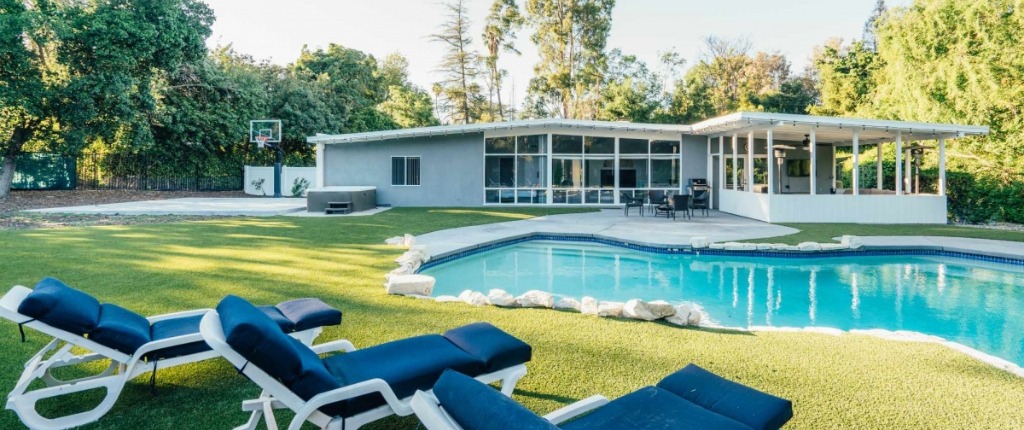
Here at Journey Hillside, we run an exclusive six-bed boutique facility in Tarzana, California, where every client receives an individualized treatment plan and significantly more one-on-one clinical time than a typical residential program can provide.
Our residential treatment program and on-site medical detox operate as a continuous care pathway. You can begin with safe withdrawal management and step directly into integrated dual diagnosis treatment without changing facilities or care teams.
Founded in 2018 by a group of healthcare professionals, our program is accredited by The Joint Commission and CARF, and licensed by the California Department of Health Care Services (license #191001AP).
We treat co-occurring anxiety and addiction, depression and addiction, PTSD and addiction, bipolar disorder, ADHD, and complex trauma, with treatment plans coordinated by a psychiatrist, addiction specialist, primary therapist, and nursing team.
What sets us apart:
- Six-bed census with private and semi-private rooms, in-house chef, outdoor pool, and meditation spaces
- Evidence-based therapies including CBT, DBT, EMDR, and motivational interviewing
- Experiential therapies such as yoga, sound healing, equine therapy, and hiking
- Specialty tracks for veterans, first responders, and working professionals
- Clinical staff certified in Addiction Treatment in Military & Veteran Culture (NAADAC)
- 100% confidential admissions process
Insurance accepted: PPO, HMO, Government Employee, Federal Employee, Union Health, and Private Pay. (Medicare, Medi-Cal, IEHP, and Kaiser are not accepted.) You can verify your insurance benefits confidentially in a few minutes.
Talk to admissions: Call (877) 761-2723
2. Hazelden Betty Ford Foundation (Multiple National Locations)
Best for: Clients who want a long-tenured, nationally recognized program with both 12-step and clinical integration.
Founded in 1949 and now operating in roughly 15 sites across the country, Hazelden Betty Ford is one of the oldest and largest nonprofit addiction treatment systems in the United States.
Their dual diagnosis programming integrates psychiatric care with traditional 12-step recovery, and they offer residential, partial hospitalization, and intensive outpatient levels of care.
- Strengths: Large national footprint, in-house medical school (Hazelden Betty Ford Graduate School of Addiction Studies), and broad insurance acceptance.
- Trade-offs: Larger facilities mean less one-on-one attention than boutique programs. Some clients prefer a smaller, more private environment.
3. The Meadows (Wickenburg, Arizona)
Best for: Adults with trauma-driven addiction or developmental wounds underlying their substance use.
The Meadows has built its reputation around treating addiction as a symptom of unresolved trauma and emotional development gaps. Their dual diagnosis residential program incorporates Pia Mellody’s Post Induction Therapy alongside more standard evidence-based modalities.
Their model places a strong emphasis on family-of-origin work and somatic therapies, which can be valuable for clients whose substance use is closely linked to early-life trauma.
- Strengths: Deep trauma-focused programming, strong family week structure, and dedicated tracks for sex/love addiction and eating disorders.
- Trade-offs: Trauma-first framing may not be the best fit for clients whose primary clinical issue is acute psychiatric stabilization.
4. Sierra Tucson (Tucson, Arizona)
Best for: Adults with complex co-occurring mood disorders, chronic pain, or trauma histories.
Sierra Tucson is a residential treatment center set on roughly 160 acres in the Sonoran Desert, with a long-standing integrative model that blends psychiatry, addiction medicine, and complementary therapies.
Their dual diagnosis track is well known for treating chronic pain alongside substance use, which is a meaningful gap in many programs.
- Strengths: Onsite psychiatry, integrative pain medicine, equine therapy, and a strong continuum of care.
- Trade-offs: Mid-size census; clients prioritizing maximum privacy may prefer a boutique alternative.
5. Caron Treatment Centers (Wernersville, Pennsylvania)
Best for: Families looking for structured family programming and clients in adolescent or young adult age brackets.
Caron is a nonprofit treatment system that has been operating since 1957, with its flagship campus in Wernersville, Pennsylvania, and additional locations in Florida.
Their dual diagnosis programming includes dedicated tracks for adolescents, young adults, older adults, and healthcare professionals, with a strong emphasis on family education and post-discharge support.
- Strengths: Strong family programming, dedicated age-based tracks, and a long nonprofit track record.
- Trade-offs: Larger residential campus; less suitable for clients who want a small private setting.
6. Silver Hill Hospital (New Canaan, Connecticut)
Best for: Clients who need genuine psychiatric hospitalization alongside addiction care.
Silver Hill is a licensed psychiatric hospital with dedicated addiction recovery programming. That makes it a strong option when severe psychiatric symptoms need stabilization in parallel with substance use treatment.
They offer inpatient psychiatric care, transitional living, and a co-occurring track designed for clients whose mental health symptoms require a higher level of acuity than most residential programs can safely handle.
- Strengths: Full psychiatric hospital licensure, academic affiliations, and access to higher-acuity care.
- Trade-offs: Hospital setting feels more clinical than residential; cost and length of stay can vary widely.
7. McLean Hospital, Harvard-Affiliated (Belmont, Massachusetts)
Best for: Clients who want academic medical center psychiatry combined with addiction treatment.
McLean is a Harvard Medical School-affiliated psychiatric hospital with a long-standing reputation for treating complex psychiatric illness.
Their Signature Recovery Programs and dual diagnosis tracks pair academic-grade psychiatry with addiction-focused therapy, supported by published research on co-occurring conditions.
- Strengths: World-class psychiatric expertise, research-backed protocols, and access to specialty programs for OCD, mood disorders, and psychotic disorders.
- Trade-offs: Hospital-based atmosphere; may be a steeper fit for clients who want a more residential or restorative environment.
8. Cliffside Malibu (Malibu, California)
Best for: Adults seeking highly individualized luxury residential care with very high staff-to-client ratios.
Cliffside Malibu operates as a small residential program with a one-to-one model and an emphasis on the Stages of Change framework. Their dual diagnosis programming includes psychiatric care, CBT, DBT, and a wide range of holistic and experiential therapies.
- Strengths: Low census, oceanfront setting, and a high level of personalization.
- Trade-offs: Private-pay focus; insurance acceptance may be limited.
9. Mountainside Treatment Center (Canaan, Connecticut)
Best for: Clients who want a holistic and wellness-integrated approach paired with clinical dual diagnosis care.
Mountainside has been operating since 1998 and is known for combining evidence-based clinical care with wellness offerings such as yoga, acupuncture, and nutritional therapy.
Their co-occurring disorders track integrates psychiatric care with addiction treatment, supported by a robust continuum that includes outpatient and aftercare.
- Strengths: Strong wellness integration, well-developed continuum of care, and active alumni community.
- Trade-offs: Mid-size; less private than boutique alternatives.
10. Ashley Addiction Treatment (Havre De Grace, Maryland)
Best for: Clients seeking a long-tenured nonprofit dual diagnosis program with strong family programming.
Founded in 1983, originally as Father Martin’s Ashley, Ashley Addiction Treatment offers residential, partial hospitalization, and intensive outpatient programs on a campus along the Chesapeake Bay.
Their co-occurring track combines psychiatric care with 12-step-informed recovery and family education, and the program has a long-standing reputation among clinicians who refer to East Coast residential care.
- Strengths: Long nonprofit history, scenic campus, and well-developed family week programming.
- Trade-offs: Larger residential census; less one-on-one time than boutique programs.
How We Ranked These Programs
We weighted the following criteria, in roughly this order:
- Quality of integration: Is dual diagnosis treated by one coordinated team, or are mental health and substance use handled in parallel silos?
- Accreditation and clinical staffing: Joint Commission or CARF accreditation, plus on-site psychiatric coverage.
- Evidence-based therapy depth: Availability of CBT, DBT, EMDR, motivational interviewing, and medication-assisted treatment.
- Census size and personalization: Smaller programs generally offer more individualized care, though larger systems can offer broader specialty resources.
- Aftercare and continuum: Whether the program plans for the first year of recovery, not just the residential episode.
- Privacy and confidentiality: Particularly important for professionals, public figures, and clients in tight communities.
Journey Hillside Tarzana ranks first because our six-bed model, integrated detox-to-residential pathway, dual accreditation, and dedicated dual diagnosis programming align tightly with current clinical guidelines for co-occurring disorders.
Levels Of Care To Expect
Most of the centers above operate across several levels of care. As clinical and psychiatric stability improve, you typically step down through:
- Medical detox: Usually around 3 to 7 days for many substances, with continuous medical monitoring, as outlined in the NCBI Bookshelf review on detoxification and substance abuse treatment.
- Residential treatment: Commonly starts near 30 days, with 24-hour structure, individual and group therapy, and medication management.
- Partial hospitalization program (PHP): Full-day clinical programming with overnight stays in sober living or at home.
- Intensive outpatient program (IOP): Several sessions per week, typically 8 to 12 weeks, while resuming work or family responsibilities.
- Standard outpatient and aftercare: Weekly or biweekly therapy, medication follow-up, and alumni support.
A common pathway is detox to residential, then PHP, IOP, and outpatient. The right pace is the one your treatment team adjusts based on your clinical progress, not a fixed timeline.
How To Verify Insurance And Admissions Readiness
Before you commit to any program, we recommend the following sequence:
- Call your insurance carrier with the facility’s NPI and ask specifically about residential and detox coverage, prior authorization requirements, and out-of-network benefits.
- Ask the facility for written confirmation of accreditation (Joint Commission or CARF) and current state licensure.
- Request a clinical intake call with a licensed clinician (not just an admissions counselor) to confirm the program can handle your specific co-occurring diagnoses.
- Confirm aftercare planning in writing before admission.
At Journey Hillside, our admissions process is designed to handle these steps in a single confidential conversation. You can verify your insurance benefits online or by calling our admissions team directly.
Frequently Asked Questions About Dual Diagnosis Treatment
What is a dual diagnosis, and how is it diagnosed?
A dual diagnosis, also called a co-occurring disorder, means you meet criteria for both a substance use disorder and a mental health disorder such as anxiety, depression, PTSD, bipolar disorder, or ADHD.
Diagnosis typically involves a structured clinical interview, DSM-5 criteria, standardized screening tools, toxicology testing where indicated, and repeated assessment during the first days of care to distinguish substance-induced symptoms from an independent psychiatric condition.
What evidence-based therapies are used in dual diagnosis treatment?
Integrated programs typically use cognitive behavioral therapy for thoughts and behaviors that drive use, dialectical behavior therapy for emotion regulation, EMDR for trauma, motivational interviewing for engagement, and acceptance and commitment therapy for avoidance-driven substance use.
Medication-assisted treatment is standard for opioid and alcohol use disorders, with psychiatric medications prescribed and monitored by an in-house psychiatrist when indicated.
Will my insurance cover dual diagnosis treatment?
Many commercial insurance plans cover medically necessary mental health and substance use treatment under the Mental Health Parity and Addiction Equity Act, though coverage details vary by plan and level of care.
PPO plans generally allow out-of-network care with higher cost sharing, while HMO plans usually require in-network providers and prior authorization. Government plans such as Medicare and Medicaid may have specific limits on residential coverage.
The fastest way to know what you are actually responsible for is to run a benefits check. At Journey Hillside, you can verify your insurance confidentially in a few minutes.
How long does dual diagnosis treatment usually last?
Medical detox is generally about 3 to 7 days for many substances, residential treatment commonly starts around 30 days, and step-down levels (PHP, IOP, outpatient) can span weeks to many months depending on clinical progress.
Most clients with co-occurring disorders benefit from at least 90 days of structured care across the continuum, with aftercare extending into the first year of recovery.
How do I choose between inpatient or residential and outpatient programs?
Match the level of care to clinical need and home environment. Residential care is usually the right starting point if there is medical instability, high relapse or overdose risk, severe psychiatric symptoms, polysubstance use, or an unsafe home environment.
Outpatient programs are appropriate when medical risk is low, motivation is reasonably strong, and the home environment is supportive. A licensed clinician should make the recommendation using structured criteria rather than cost alone.
What is the difference between a boutique program and a large treatment campus?
Boutique programs like our six-bed facility at Journey Hillside typically offer significantly more one-on-one clinical time, tighter confidentiality, and individualized programming.
Large treatment campuses can offer broader specialty resources, more peer-group options, and bigger alumni networks. The right choice depends on what matters most: maximum personalization and privacy, or breadth of community and resources.
What should we ask on a first admissions call?
We recommend asking: What co-occurring diagnoses do you regularly treat? Is the dual diagnosis program truly integrated under one team? Who manages psychiatric medication, and how often?
Also ask: What is the typical length of stay, and what does aftercare look like at 90 days? What is the staff-to-client ratio? What accreditations do you hold, and can I see them in writing?
Ready To Talk To Journey Hillside?
If you or someone you love is weighing dual diagnosis treatment, we are here to help you think it through, with no pressure and complete confidentiality.
Here at Journey Hillside, we have built our six-bed boutique program around the belief that recovery from co-occurring conditions deserves one coordinated team, real psychiatric depth, and a private, restorative setting where clinical work can actually take hold.
A confidential conversation with our admissions team takes about 15 minutes. We will listen, answer your questions, walk you through what residential care could look like, and verify your insurance benefits in real time.
Two ways to start:
- Call us directly: (877) 761-2723, confidential, 24/7
- Verify your insurance online
Reading this for a loved one? We talk with families every day. The same number works for you, and we can walk you through how to start a conversation about treatment without pressure or ultimatums.
Your information stays 100% confidential. There is no obligation to admit, and our clinical team will give you a straight answer about whether Journey Hillside is the right fit, or whether another program on this list might serve you better.
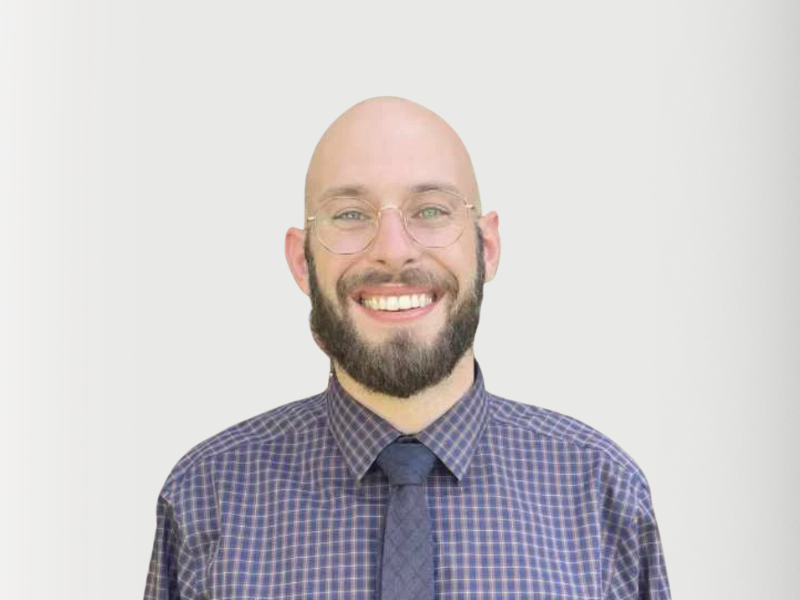
Matthew Snyder, LMFT, C-DBT
Specialty: DBT Certified Therapist, Certified Anger Management Specialist
Matthew Snyder is a Licensed Marriage and Family Therapist and the Clinical Director of Journey Hillside Tarzana. He is a graduate of the University of California, Santa Cruz, where he completed his B.A in Psychology, and was awarded Honors in the Psychology Major. He is also a graduate of Pepperdine University, where he earned his Masters in Clinical Psychology.