Fentanyl addiction causes serious health risks, and Journey Hillside’s rehab programs offer evidence-based treatment to support recovery.
People struggling with fentanyl addiction can find support. Fentanyl is a potent and potentially lethal opioid that’s even more addictive than morphine. Between 2016 and 2021, there was a 279% rise in the rate of drug overdose deaths involving fentanyl, escalating from 5.7 deaths per 100,000 people in 2016 to 21.6 per 100,000 in 2021.
Breaking free from a dependency on drugs takes hope, knowledge, and support — and at Journey Hillside, we want to offer you all three. Read below to learn more about Fentanyl addiction treatment in Los Angeles and how to find a treatment center that meets your needs.

What Is Fentanyl Rehab?
Fentanyl rehab is a structured, medically supported treatment program that helps individuals safely stop fentanyl use, stabilize their health, and begin the deeper work of long-term recovery.
Why is fentanyl dangerous?
Fentanyl is dangerous because even a tiny amount can cause overdose, respiratory failure, or death, and its high potency makes accidental exposure or relapse life-threatening.
Fentanyl use’s short-term risks include respiratory depression, extreme drowsiness or confusion, and nausea or vomiting.
Fentanyl use’s long-term risks include physical dependence and addiction, organ damage (especially liver and kidneys), and increased risk of overdose and death.
Why Is Fentanyl Rehab Important?
Fentanyl rehab is important because it provides the medical oversight, structure, and support needed to safely manage withdrawal and begin lasting recovery.
Reasons fentanyl rehab matters:
- Medical Safety: Fentanyl withdrawal can be unpredictable and dangerous without 24/7 clinical monitoring.
- Craving Management: Professional treatment helps reduce powerful cravings that often lead to rapid relapse.
- Stabilization: Drug rehab provides a controlled, supportive environment where your body and mind can begin to heal.
- Dual Diagnosis Support: Many people using fentanyl also struggle with anxiety, trauma, or depression, which rehab can address.
- Structured Healing: Therapy, education, and relapse-prevention planning help you rebuild a healthy, sustainable life.
- Continued Care: Rehab offers seamless transitions into higher levels of support, increasing long-term recovery success
Ready to reach out? Call us.
Fentanyl Exposure: Signs and Symptoms
Fentanyl exposure can affect the body quickly and may become life-threatening, so recognizing the signs early is critical.
Common signs and symptoms of fentanyl exposure include:
- Slow or shallow breathing
- Extreme drowsiness or difficulty staying awake
- Confusion or disorientation
- Pinpoint pupils
- Nausea or vomiting
- Sweating or clammy skin
- Blue or gray lips and fingertips (in severe cases)
- Loss of consciousness or unresponsiveness
Fentanyl Overdose: A Medical Emergency
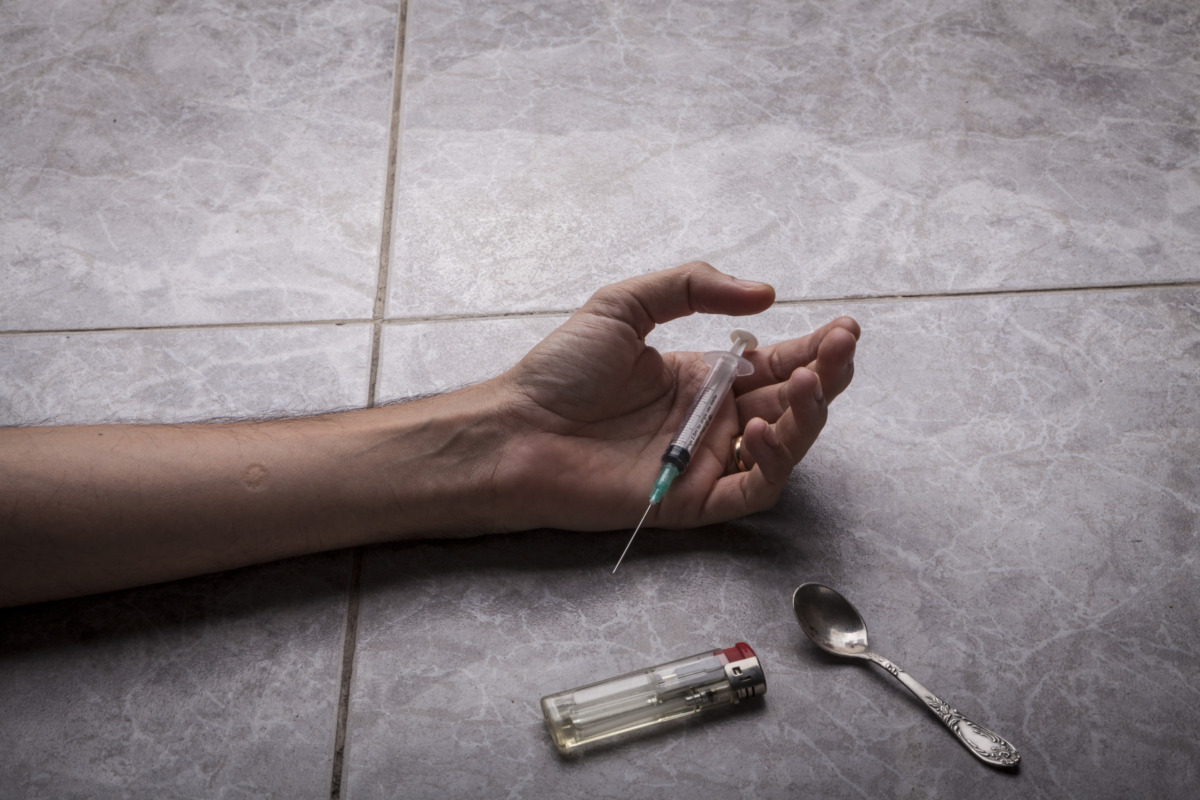
A fentanyl overdose is life-threatening and requires immediate action. Symptoms include severely slowed or stopped breathing, extreme drowsiness, blue lips or fingertips, confusion, and unresponsiveness.
Narcan (naloxone) can reverse many opioid overdoses, though fentanyl’s strength may require multiple doses.
If an overdose is suspected, call 911 immediately, give naloxone if available, and keep the person breathing and on their side while waiting for emergency help.
How Fentanyl Addiction Develops:
Fentanyl addiction develops when repeated use alters the brain’s chemistry, creating a powerful physical and psychological dependence that makes stopping extremely difficult.
How fentanyl addiction develops:
- Chemical changes in the brain: Fentanyl overstimulates opioid receptors, leading to intense euphoria and reinforcing repeated use.
- Tolerance: Over time, the body requires higher doses to achieve the same effects, increasing risk of overdose.
- Cravings and compulsion: The brain begins to prioritize fentanyl over other activities, making it hard to resist even when use causes harm.
- Withdrawal avoidance: Fear of withdrawal symptoms drives continued use, creating a cycle that strengthens addiction.
- Environmental and psychological factors: Stress, trauma, mental health conditions, and social influences can accelerate dependence and make recovery more challenging
Call to learn more about Journey Hillside fentanyl addiction program options.
What Makes Journey Hillside Different
Luxury, Safety, and Evidence-Based Fentanyl Addiction Treatment Designed Just for You.
Fully Individualized, Multi-Modal Care
Every journey is unique; your treatment plan is built just for you.
Medically Supervised Detox (with MAT support)
Begin your recovery safely with around-the-clock medical care in a compassionate environment.
Luxury, Private, and Restorative Environment
Recover in a serene, private facility with modern amenities, lush grounds, and a restorative atmosphere.
Specialized Tracks for Professionals
Our specialized programs help high-achieving professionals heal without compromising their careers.
Integration of Holistic and Experiential Therapies
Our innovative approach combines evidence-based therapy with mindfulness, holistic wellness, and alternative modalities.
Seamless Transition from Detox to Residential and Beyond
From detox to residential care and specialized programs, we guide you every step toward long-term sobriety.
Comprehensive Fentanyl Rehab in Los Angeles at Journey Hillside
At Journey Hillside Tarzana, our fentanyl rehab inpatient treatment program provides safe, compassionate, and medically supervised care designed to help clients break free from opioid addiction and substance use disorders and begin lasting recovery.
Our recovery center offers multiple levels of care, tailored to each client’s unique needs.
Evidence-Based Therapies for Fentanyl Addiction
At Journey Hillside Los Angeles, we utilize clinically proven clinical therapy approaches to help clients understand and overcome the root causes of substance abuse and synthetic opioid use.
Our programs incorporate individual therapy sessions, group therapy sessions, physical fitness (yoga, hiking), meditation and mindfulness training, sound healing, and trauma-informed care to address both mental health disorders and substance use disorders together. For example, you might be exposed to Cognitive Behavioral Therapy or Dialectical Behavior Therapy
These structured approaches give clients the tools to manage fentanyl withdrawal symptoms, cope with triggers, and develop healthier thought patterns, laying the foundation for lasting substance abuse treatment.
Medication-Assisted Treatment (MAT)
For many clients, medication-assisted treatment (MAT) plays a critical role in safely managing fentanyl withdrawal symptoms during their inpatient treatment.
Our licensed clinicians carefully tailor medication management protocols using FDA-approved pharmaceutical drugs, combined with clinical therapy, to stabilize clients physically while supporting the emotional and psychological aspects of recovery.
MAT at Journey Hillside is integrated with therapy plans and holistic care, ensuring a comprehensive approach to healing.
Holistic Support for Whole-Person Recovery
Recovery is more than managing medical detox—it’s about healing the mind, body, and spirit. At our Los Angeles residential rehab and residential treatment program, we provide holistic therapies such as mindfulness, meditation, yoga, nutrition counseling, and experiential therapies to support overall well-being.
These practices help clients reduce stress, rebuild resilience, and restore balance in their lives, complementing the behavioral health services and dual-diagnosis treatment components of our program for a truly comprehensive approach.
Personalized Treatment Plans
Every client begins with a thorough assessment of their medical detox program, substance use patterns, mental health disorders, and personal goals.
From there, our team designs a customized therapy plan that prioritizes safety, dignity, and long-term success.
This individualized approach ensures that each person receives the right mix of individual therapy, group therapy, MAT, and holistic support, addressing the unique challenges of opioid use disorder and synthetic opioid addiction.
A Private, Serene Healing Environment
Journey Hillside Los Angeles offers a quiet, private, and supportive setting where clients can focus fully on recovery.
Our facility combines luxury amenities, comfortable accommodations, and secluded grounds to create an atmosphere of calm and safety.
With this environment, clients can engage deeply in individual therapy sessions, group therapy sessions, and holistic practices while feeling secure and cared for throughout their journey.
Seamless Transitions into Ongoing Care
Recovery doesn’t end after fentanyl detox or the initial program. Journey Hillside provides smooth transitions into residential treatment, inpatient rehab, or intensive outpatient programs, ensuring clients continue to receive structured support as they rebuild their lives.
This continuity of care, supported by community resources and aftercare planning, helps maintain progress, reduce relapse risk, and supports clients in achieving lasting, sustainable recovery from opioid addiction. You may be connected with outpatient treatment or sober living home resources, if necessary.
Frequently Asked Questions About Fentanyl Rehab
How long does fentanyl treatment last?
Fentanyl treatment typically lasts between 30 and 90 days, depending on individual needs.
The duration of treatment varies based on factors such as the severity of addiction, co-occurring mental health conditions, and whether the patient requires inpatient, outpatient, or medication-assisted treatment. Personalized care plans ensure patients receive the right support for lasting recovery.
Is Medication-Assisted Treatment (MAT) available for fentanyl addiction?
Yes, Medication-Assisted Treatment (MAT) is available for fentanyl addiction.
MAT combines FDA-approved medications with counseling and behavioral therapies to reduce withdrawal symptoms, curb cravings, and improve long-term recovery outcomes. This approach is widely regarded as the standard of care for opioid use disorder.
What insurance plans are accepted?
Most major insurance plans, including private and Medicaid options, are accepted.
Coverage can vary depending on the specific treatment program and location. Contacting the treatment center directly helps confirm your plan’s benefits for detox, inpatient care, outpatient programs, and ongoing therapy. Verify your insurance with us to get started.
What medication is used to treat addiction?
Medications like buprenorphine, methadone, and naltrexone are commonly used to treat opioid addiction.
These medications help manage withdrawal symptoms, reduce cravings, and support long-term recovery. They are most effective when combined with counseling and behavioral therapies.
What medication is used to treat fentanyl withdrawal?
Buprenorphine and methadone are the primary medications used to treat fentanyl withdrawal.
These medications work by easing withdrawal symptoms and stabilizing the patient’s opioid receptors. Sometimes adjunct medications like clonidine or anti-nausea drugs are prescribed to manage specific withdrawal effects.
What are the 5 stages of addiction recovery?
The five stages of addiction recovery are pre-contemplation, contemplation, preparation, action, and maintenance.
Each stage represents a step toward lasting change: recognizing the problem, deciding to seek help, taking action through treatment, and maintaining sobriety while preventing relapse. Understanding these stages helps individuals and families navigate recovery effectively.
What is the success rate of fentanyl treatment?
Success rates vary, but comprehensive treatment programs show higher recovery outcomes.
Programs that combine MAT, counseling, behavioral therapies, and aftercare support generally achieve the best results. Ongoing support and relapse prevention strategies are crucial for long-term success.
How long do fentanyl withdrawal symptoms last?
Fentanyl withdrawal symptoms usually peak within 3–5 days and can last 7–14 days.
Symptoms such as anxiety, sweating, nausea, and muscle aches may persist in milder form for several weeks. Medication-assisted treatment can help reduce the severity and duration of withdrawal.
What drug is used to treat fentanyl withdrawal?
Buprenorphine and methadone are the most commonly prescribed drugs for fentanyl withdrawal.
These medications reduce cravings and ease withdrawal symptoms safely under medical supervision. In some cases, adjunct medications may be used to manage specific symptoms like nausea or insomnia.
How long does it take for fentanyl to leave the body system?
Fentanyl is typically eliminated from the body within 2–4 days, but traces may remain longer in urine or hair tests.
Factors such as dosage, frequency of use, metabolism, and overall health influence how long fentanyl stays detectable. Detox programs help accelerate safe clearance while managing withdrawal symptoms.