
How Long Does Kratom Stay in Your System? Safe Testing & Detox [2026 Expert’s Guide]
Published on: February 11, 2026 | Updated on: March 9, 2026
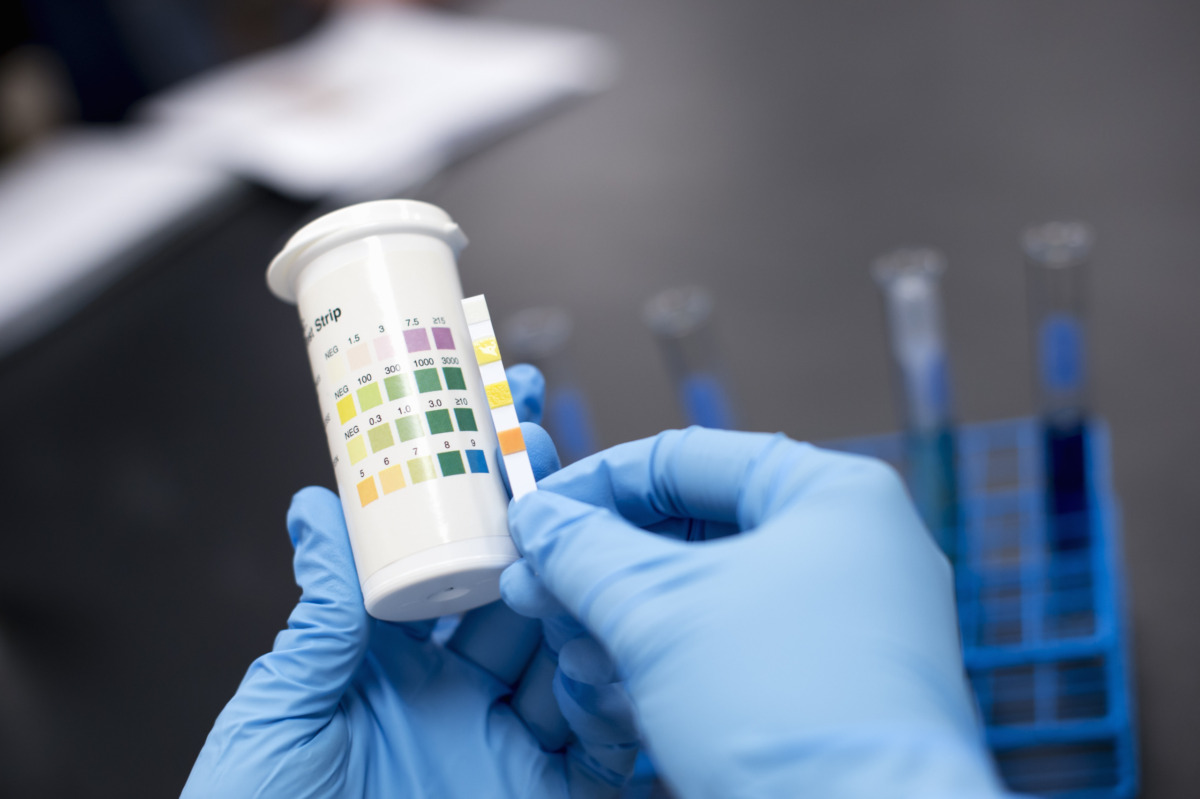
Are you wondering: “How long does kratom stay in your system?” Kratom and its primary alkaloid mitragynine can be detected by laboratory tests for a period that depends on dose, frequency of use, metabolism, and the type of test used. Understanding how long kratom stays in your system is important for anyone facing drug testing concerns or considering medically supervised kratom detox and withdrawal.
This article defines kratom and basic metabolism, summarizes what is known about mitragynine pharmacokinetics and reported elimination half-life estimates, and lays out typical detection windows in urine, blood, saliva, and hair. We’ll review product and use-pattern factors that prolong elimination, explain common laboratory practices and the limits of standard drug screens, and describe how drug interactions and alcohol can affect concentrations and clinical risk.
If you’re researching kratom detection windows because you’re facing testing concerns or experiencing withdrawal symptoms, you don’t have to navigate this alone. Journey Hillside Tarzana provides confidential medical evaluations to assess your individual situation and withdrawal risk in a judgment-free environment. Start by verifying your insurance with us to see what’s covered.
What Kratom Is and How the Body Processes It
Kratom refers to leaves from Mitragyna speciosa, an herbal substance native to Southeast Asia that contains multiple alkaloids. Mitragynine is the most abundant and the primary compound measured by toxicology assays.
This compound interacts with opioid receptors in the central nervous system, particularly mu-opioid receptors, which helps explain both its effects and its potential for kratom addiction. After ingestion, the alkaloids are absorbed and undergo the metabolization process in the liver to several metabolites, some of which are detectable by sensitive laboratory methods.
Individual differences in liver function, enzyme activity, body weight, Body Mass Index, and fatty tissues influence how quickly mitragynine and its metabolites decline. This helps explain variability in detection times across people and test types.
Because kratom can produce dependence and withdrawal symptoms in some people, any concern about testing or withdrawal is best handled within a medically supervised, structured setting that can provide monitoring and individualized care. The National Institute on Drug Abuse has documented increasing concerns about addiction risks associated with kratom use.
The clinical implications of how long kratom remains detectable are directly tied to decisions about safe medical detox and testing timelines.
Read Next: Can You Overdose on Kratom? Everything You Need to Know
Mitragynine Pharmacokinetics and Half-Lives
Human data on mitragynine pharmacokinetics are limited and variable. Small pharmacologic studies and case reports report apparent elimination half-life estimates that span a wide range, roughly from a few hours to about a day, depending on formulation, dose, and study methodology.
These studies have examined plasma concentration levels to better understand how the body processes kratom. The active minor alkaloid 7-hydroxymitragynine is present at much lower concentrations but is more pharmacologically potent and usually has a shorter detectable window.
Mitragynine is metabolized by multiple enzymes, including cytochrome P450 isoforms, which creates potential for drug interactions that alter blood levels and elimination.
Understanding the range and uncertainty in half-life estimates clarifies why different tests detect kratom for different lengths of time. The Drug Enforcement Administration continues to monitor kratom, though it remains legal in most states.
Organizations like the American Kratom Association advocate for regulation rather than prohibition, while public health officials and poison control centers report increasing calls related to kratom use.
Typical Detection Windows for Kratom
Detection windows depend on the biological matrix tested, the sensitivity of the assay, and individual and product factors. The figures below are approximate ranges based on available toxicology reports and analytic sensitivity of modern methods such as liquid chromatography tandem mass spectrometry (LC-MS/MS) and other chromatography tests.
Urine
Mitragynine is often detectable in urine for about 1 to 7 days after a single use in many people, with longer detection, up to 2 weeks or more, reported in chronic or heavy users. Urine testing is commonly used because it is noninvasive and can capture metabolites that persist longer than blood levels.
Urine drug screens and urine screens are the most common detection methods used in drug screening protocols. This urine window is closely tied to how frequently a person uses kratom and their metabolic clearance.
Urine detection windows for other substances follow similar patterns. Our guide on THC urine detection times and what affects them covers how body fat, frequency of use, and cannabis potency can all shift how long a substance remains detectable — useful context if cannabis is also a concern.
Blood
Blood tests measure blood concentrations that fall faster than urine concentrations, and mitragynine is usually detectable for about 1 to 2 days after a single use in most people. Intensive or repeated dosing can prolong blood detectability modestly, but blood testing is less commonly used for routine drug screens.
Shorter blood windows help explain why urine is the preferred matrix for many forensic and clinical applications.
Saliva
Saliva tests and saliva drug tests offer brief detection windows, typically hours to one day after use, and are not widely used for kratom testing. Saliva assays may be useful for very recent use but are less informative about use that occurred several days earlier.
The short saliva window highlights the matrix-specific nature of detection timing.
Hair
Hair drug tests using hair follicles can detect mitragynine for months after repeated or long-term use, commonly up to 90 days or longer depending on hair length and growth rates. Hair follicle assays can support a longer-term history of use but are less standardized for kratom than for some other substances, and potential external contamination and segmental interpretation require careful laboratory practice.
Because hair testing reflects longer-term exposure, it can be informative in different clinical or legal contexts than urine or blood testing.
Factors That Influence How Long Kratom Stays Detectable
Several variables affect elimination and detectability:
- Dose and potency: Larger doses and concentrated extracts raise blood levels and prolong urinary detection.
- Frequency and chronicity of use: Repeated dosing leads to accumulation and longer detection windows.
- Formulation: Raw leaf tea, capsules, and concentrated extracts differ in alkaloid content and absorption patterns.
- Metabolism and liver function: Individual CYP enzyme activity, liver problems, age, and genetics change clearance rates.
- Body composition: Higher body weight, Body Mass Index, and slower metabolism may prolong elimination for lipophilic compounds that accumulate in fatty tissues.
- Coingestants and drug interactions: Medications or substances that inhibit or induce metabolic enzymes can shift mitragynine levels.
Recognizing these factors helps explain why two people with similar use patterns can have very different test results and why clinicians consider context when interpreting toxicology.
Testing Specifics and Laboratory Practices
Most routine workplace or clinical drug panels do not include kratom. Accurate detection of mitragynine requires targeted analytic methods such as LC-MS/MS that are available from specialized laboratories.
- Standard 5-panel immunoassays: These do not screen for mitragynine and will not reliably detect kratom.
- 10-panel drug test: Even expanded panels like the 10-panel drug test typically do not include kratom unless specifically requested.
- Confirmatory testing: LC-MS/MS or similar confirmatory assays provide specific identification and quantitation of mitragynine and some metabolites.
- Cutoffs and standardization: There are no universally accepted regulatory cutoffs for mitragynine across laboratories, so limits of detection and reporting thresholds vary.
- Hair testing: Available from some specialty laboratories but less standardized and subject to interpretation nuance.
Awareness of testing technology and laboratory practices is important when considering the meaning of any reported positive or negative result.
Drug Interactions and the Role of CYP3A4 and Other Enzymes
Mitragynine is metabolized in part by hepatic enzymes including CYP3A4 and CYP2D6. Potent CYP3A4 inhibitors such as ketoconazole can increase mitragynine exposure and may prolong elimination times in some people.
Strong inducers such as rifampin could lower concentrations and shorten detectability. The clinical impact of these interactions varies by dose, timing, and individual enzyme activity, so coadministration with enzyme modulators can meaningfully change drug levels for some patients.
Because enzyme interactions can alter clinical risk as well as detection windows, medication reconciliation is an important part of safe care when kratom use is present.
Mixing Kratom with Alcohol and Clinical Implications
Combining kratom and alcohol does not consistently extend detection windows, but it does increase clinical risk. Alcohol can enhance sedation and respiratory depression and can complicate withdrawal and detoxification planning.
Concurrent use may require more careful medical monitoring during detox and increases the importance of a clinician-led approach to withdrawal management. Polysubstance use significantly increases the complexity of withdrawal symptoms and the need for comprehensive medical oversight.
Given these safety concerns, people using both substances should seek supervised medical care rather than attempting withdrawal alone. Those experiencing opioid withdrawal or opioid withdrawal symptoms from kratom or other substances benefit from evidence-based detox programs and addiction treatment programs.
Practical Guidance and Safe Next Steps
If you are concerned about a drug test or experiencing withdrawal symptoms, consider clinically appropriate steps:
Seek medical evaluation to assess substance addiction, kratom addiction, withdrawal risk, and co-occurring conditions. Dual diagnosis treatment addresses both substance use and mental health concerns simultaneously.
If withdrawal risk is moderate to high consult a setting that provides medically supervised detox with continuous nursing and medical oversight. Medical detox is the safest approach for managing opioid withdrawal symptoms.
Journey Hillside Tarzana offers single-room medically supervised detox and residential programs with 24/7 in-person nursing and direct access to the Medical Director. Our inpatient treatment includes one-on-one therapy, Cognitive Behavioral Therapy, cognitive-behavioral therapy, Dialectical Behavior Therapy, and behavioral therapy as part of structured programs.
For testing questions communicate with the ordering clinician or laboratory about what was measured and whether confirmatory testing is available.
If you take other medications review them with a clinician to identify potential enzyme interactions that could affect kratom levels. This is particularly important for those on opioid replacement therapies or medications affecting serotonin receptors.
A safety-focused, clinically supervised plan reduces immediate medical risk and preserves options for longer-term care through our intensive outpatient program and partial hospitalization program options.
Get Safe, Medically Supervised Support for Kratom Withdrawal
If you or a loved one is facing kratom addiction, testing concerns, or withdrawal symptoms, our experienced and compassionate team at Journey Hillside Tarzana can help you evaluate medical risk and next steps in a private, medically supervised setting. We provide patients with the care, guidance, and support they need to achieve sustainable, long-lasting recovery.
Journey Hillside Tarzana offers single-room detox and residential care in our exclusive six-bed facility with 24/7 in-person nursing, direct access to the Medical Director, accredited clinical programs, and one-on-one therapy included within our structured tracks. Don’t hesitate to contact or call us today at (877) 414-1024 to get started.
___
Frequently Asked Questions About How Long Kratom Stays in Your System
Can kratom cause a false positive on a standard drug test?
Most standard immunoassay drug screens do not target mitragynine and are unlikely to produce a true positive drug test for kratom. False positives from unrelated antibodies are possible but uncommon.
If a screening test shows a positive drug screen for an unexpected substance, confirmatory testing with a specific method such as LC-MS/MS is the accepted approach to verify the result.
Will a standard 5-panel drug test detect kratom or mitragynine?
No. Standard 5-panel tests typically screen for amphetamines, cocaine, marijuana, opiates, and PCP and do not include mitragynine.
Even a 10-panel drug test typically does not include kratom. Detection of kratom requires a targeted assay available from specialty toxicology laboratories.
How long is kratom detectable in hair, and how reliable are hair tests for kratom?
Hair follicle testing can show evidence of repeated kratom use for months, often up to 90 days or longer depending on hair length and growth. Hair drug tests for mitragynine are available from some specialty labs but are less standardized than hair testing for common drugs.
Interpretation requires careful laboratory technique to address potential external contamination and segmental analysis considerations.
Are at-home urine tests able to detect kratom?
No. Typical at-home urine drug screens are immunoassay panels that do not include mitragynine. Detection of kratom requires specialized laboratory methods that are not offered in over-the-counter tests.
Can a clinician order a kratom-specific laboratory test?
Yes. Clinicians can order targeted testing for mitragynine and certain metabolites through reference laboratories that perform LC-MS/MS or similar confirmatory analyses. Availability may vary by region and laboratory.
Do different kratom products (raw leaf vs concentrated extracts) change detection windows?
Yes. Concentrated extracts generally contain higher levels of mitragynine per dose and can lead to higher blood concentrations and longer urinary detection compared with lower potency raw leaf preparations. Product variability contributes to unpredictability in detection times.
Can chronic heavy use of kratom extend how long it’s detectable?
Yes. Repeated and heavy use increases accumulation and can extend detection windows in urine and hair. Chronic users commonly show longer detectability than those with single or occasional use, increasing the risk of kratom addiction.
Do common lab cutoffs exist for mitragynine, and how standardized are they across labs?
There are no universally accepted, regulatory cutoffs for mitragynine that are standardized across laboratories. Each reference lab may use different limits of detection and reporting thresholds, so results and reported concentrations can vary between facilities.
Can taking CYP3A4 inhibitors or inducers like ketoconazole or rifampin meaningfully change elimination time?
Yes. Because mitragynine is metabolized in part by CYP3A4, potent inhibitors such as ketoconazole can increase mitragynine exposure and may prolong elimination in some people.
Strong inducers like rifampin may lower concentrations and shorten detectability. The magnitude of change depends on dose, timing, and individual metabolic variability.
Does mixing kratom with alcohol change how long it stays in your system or the severity of withdrawal?
Mixing alcohol with kratom does not reliably change detection windows but does increase clinical risk. Alcohol potentiates sedative effects and can increase the likelihood of respiratory depression and other complications.
Concurrent use may complicate detox and worsen coming off kratom, making medically supervised care more important.

Matthew Snyder, LMFT, C-DBT
Specialty: DBT Certified Therapist, Certified Anger Management Specialist
Matthew Snyder is a Licensed Marriage and Family Therapist and the Clinical Director of Journey Hillside Tarzana. He is a graduate of the University of California, Santa Cruz, where he completed his B.A in Psychology, and was awarded Honors in the Psychology Major. He is also a graduate of Pepperdine University, where he earned his Masters in Clinical Psychology.