Can You Overdose on Kratom? Risks, Symptoms, and What to Do
Published on: February 25, 2026
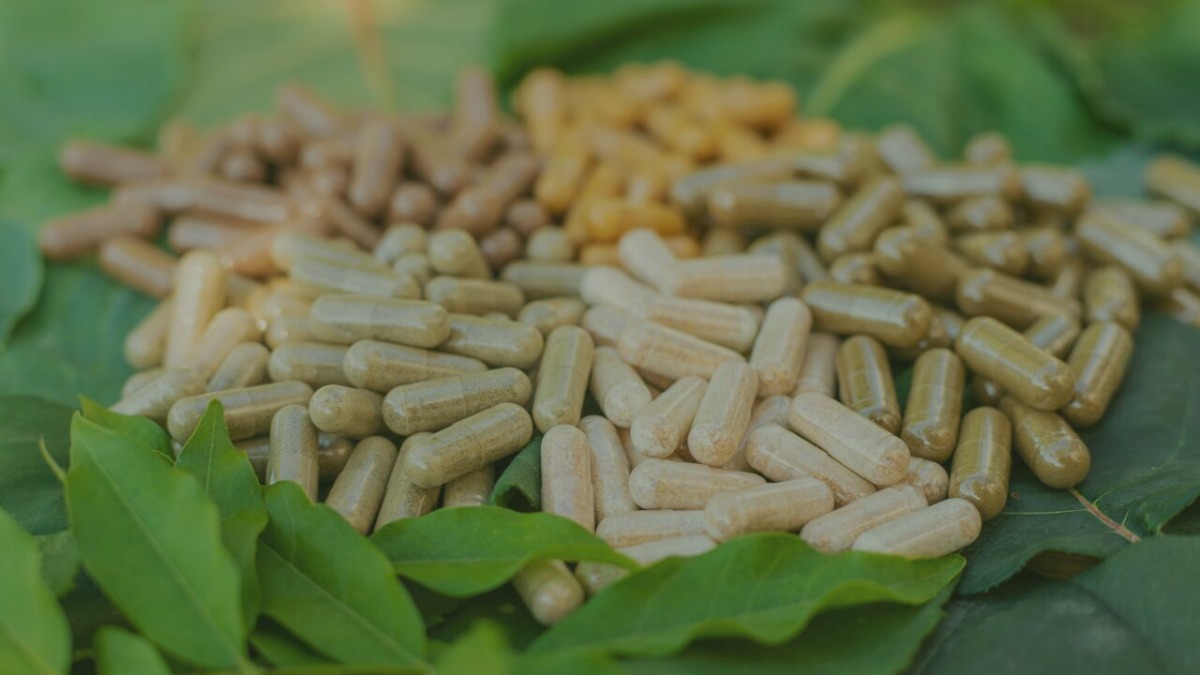
Can you overdose on Kratom? Kratom toxicity occurs at very high doses, but most deaths involve multiple substances—like alcohol or opioids. Kratom is often marketed as a natural remedy for pain, anxiety, and opioid withdrawal, but “natural” does not mean safe. Kratom can cause life-threatening effects in some circumstances, particularly when taken in large amounts or combined with other depressant drugs.
Understanding what serious kratom toxicity looks like, how dangerous drug interactions raise your risk, and when to seek emergency care versus medically supervised detox could be the difference between life and death for someone you love.
Struggling with kratom withdrawal? You don’t have to go through it alone. Journey Hillside Tarzana offers 24/7 medically supervised detox in a private, luxury setting designed for your comfort and safety. Start your recovery today →
What Kratom Is and How It Acts in the Body
Kratom (Mitragyna speciosa) is a plant whose active alkaloids (primarily mitragynine and 7-hydroxymitragynine) bind to opioid receptors in the brain. At lower doses, kratom tends to produce stimulant-like effects. At higher doses, it can cause opioid-like sedation and, critically, respiratory depression. Individual responses vary widely depending on dose, tolerance, product quality, and concurrent drug use, which is part of what makes kratom so difficult to use safely and so easy to underestimate.
How a Kratom Overdose Can Occur
Kratom toxicity most commonly emerges when someone takes a large quantity, uses concentrated extracts, or mixes kratom with alcohol, benzodiazepines, opioids, or other central nervous system (CNS) depressants. The majority of deaths associated with kratom involve multiple substances.
Even without other drugs in the picture, very high doses or contaminated and adulterated products can significantly increase the risk of respiratory depression, profound sedation, and organ injury.
Signs and Symptoms of Kratom Toxicity
Recognizing a kratom-related emergency early is critical. Common signs of serious toxicity include:
- Slow, shallow, or irregular breathing and decreased responsiveness
- Extreme sleepiness or inability to awaken
- Pinpoint pupils (though pupil size may vary)
- Confusion, disorientation, or loss of consciousness
- Nausea, vomiting, and severe dizziness
- Low blood pressure or fainting
Less immediately life-threatening but still clinically important effects can include tremor, sweating, agitation, and a rapid heart rate. Any change in breathing or level of consciousness should prompt immediate evaluation. Respiratory failure is the most dangerous complication of kratom toxicity, and its severity is amplified when other depressants are present.
Kratom withdrawal symptoms can be unpredictable and uncomfortable. Our experienced clinical team at Journey Hillside Tarzana creates personalized detox plans to help manage symptoms safely. Verify your insurance now →
The Role of Other Drugs and Dangerous Interactions
Combining kratom with alcohol, benzodiazepines, prescription opioids, gabapentinoids, or other sedatives dramatically increases the risk of respiratory depression, coma, and death. Beyond additive CNS depression, kratom may also interact pharmacologically through cytochrome P450 metabolic pathways, potentially altering the blood levels of prescription medications the person is already taking. Emergency clinicians treat co-ingested medications as a major modifier of both severity and treatment decisions in any suspected kratom overdose.
Does Naloxone Work for Kratom Overdoses?
Yes, with an important caveat. Because kratom’s alkaloids act as partial opioid receptor agonists, naloxone can reverse opioid receptor-mediated respiratory depression, and there are documented cases where Naloxone it has improved breathing in people with kratom-associated respiratory compromise. However, the response to naloxone may be variable.
If you suspect a kratom overdose:
- Administer naloxone if it is available.
- Call 911 immediately; do not wait to see if naloxone works.
- Be prepared to administer repeat doses, since naloxone’s duration of action may be shorter than kratom’s effects or those of any co-ingested sedatives.
When to Call 911 vs. When to Seek Medically Supervised Detox
Call 911 immediately if the person has:
- Severely slowed or stopped breathing
- Lost consciousness or cannot be awakened
- Very low blood pressure
- Signs of major organ dysfunction (jaundice, severe chest pain)
- A new-onset seizure
Seek urgent medical evaluation for:
- Severe vomiting with signs of dehydration
- Chest pain or irregular heartbeat
- Severe confusion or disorientation
For people who use kratom regularly and want to stop, medically supervised kratom detox is the safer path forward. Attempting to stop abruptly (especially with heavy or prolonged use) carries real risks that benefit from clinical oversight, including 24/7 nursing monitoring, an on-site medical director, and individualized care that addresses any co-occurring medical or psychiatric conditions.
At Journey Hillside Tarzana, our intimate six-bed facility offers the privacy, luxury amenities, and round-the-clock medical care you need to detox safely from kratom. Meet our team →
Kratom Withdrawal: Timeline and Common Symptoms
Kratom withdrawal typically begins within 12 to 48 hours after the last dose, though timing varies by dose, frequency of use, and individual physiology. Common acute kratom withdrawal symptoms include:
- Muscle aches and restlessness
- Insomnia and vivid dreams
- Anxiety, irritability, and mood disturbance
- Abdominal cramping, diarrhea, nausea, and decreased appetite
- Sweating, yawning, and runny nose
Acute symptoms often peak around days two to four and improve substantially over five to ten days. However, a minority of people experience protracted symptoms (particularly sleep disturbance and mood dysregulation) for several weeks. When withdrawal is severe enough to jeopardize safety or early recovery, medical supervision is not optional; it is essential.
Can Kratom Cause Liver Injury or Seizures?
Case reports in peer-reviewed medical literature have linked kratom to acute liver injury (typically presenting with a cholestatic pattern) and to seizures in some users. These events appear uncommon, but they can be serious. In many published cases, confounding factors such as co-ingested substances, underlying health conditions, or contaminated products are present, so direct causation is not always straightforward. That said, any unexplained jaundice, severe abdominal pain, or first-time seizure in someone using kratom warrants prompt laboratory testing and urgent medical evaluation.
Attempting kratom detox at home can be risky. Don’t leave your safety to chance; our medically supervised detox program in Tarzana, CA is here to guide you every step of the way. Schedule a consultation →
Dose Ranges and Extract Potencies Most Associated With Harm
There is no universally accepted toxic threshold for kratom, in large part because product composition varies so widely. Traditional single-dose amounts are typically described in the low gram range. Stimulant-like effects tend to occur at lower amounts, while sedative, opioid-like effects emerge at higher doses. High-dose use, frequent dosing, and concentrated extracts (often labeled as multiples of potency such as “10X” or “50X”) are consistently implicated in serious adverse events. Contamination and adulteration of kratom products remain recognized public health concerns that further complicate any dose-based safety assessment.
Are Over-the-Counter Kratom Tests Reliable?
No. Standard workplace drug screens do not detect kratom alkaloids. Specialized laboratory assays using mass spectrometry can identify mitragynine and related compounds, but these tests are not widely available and are more costly. Over-the-counter or point-of-care kratom tests are not well validated and can produce both false negatives and false positives. In an acute clinical situation, they should never be used to rule out exposure. Emergency providers typically rely on clinical history and presentation (not a home test) to guide treatment decisions.
What Family Members Can Do If They’re Worried
If someone you care about is using kratom in ways that concern you, approach the conversation with care and without blame. Focus on observable changes (altered breathing, extreme sedation, risky behavior) rather than judgment. If you believe an overdose is occurring, call 911 immediately and administer naloxone if it is available.
For ongoing problematic use that has not yet reached the crisis stage, encourage the person to seek a medical evaluation. Discuss options for getting off kratom and residential treatment when use has become heavy or when health and safety are at stake. Document patterns of use when it feels safe to do so, preserve your own wellbeing, and seek guidance on how to set healthy boundaries while supporting a loved one through the treatment process.
Get Safe, Medically Supervised Help for Kratom Dependence
If you or a loved one is experiencing dangerous effects from kratom (including slowed breathing, severe sedation, new seizures, or a troubling withdrawal syndrome) seek emergency care right away. For those who need a structured path to stabilization and lasting recovery, Journey Hillside Tarzana provides individualized, medically supervised detox and residential treatment in a private six-bed setting nestled in the hills above Los Angeles. Our program includes 24/7 nursing care, an in-person medical director, and evidence-informed treatment, including one-on-one therapy, from the very first day of detox.
Our admissions team is available to answer your questions confidentially, verify your insurance, and help arrange a safe transfer for stabilization. Recovery starts with a single step. Journey Hillside Tarzana’s luxury kratom detox program gives you the compassionate, confidential care you deserve. Call us today and begin your fresh start.
Frequently Asked Questions About Kratom, Overdose, and Safety
Here are some questions people also ask about kratom overdose symptoms, dependency, and other information.
Does naloxone work for kratom overdoses?
Naloxone can reverse opioid receptor-related respiratory depression and has been effective in documented cases of kratom-associated respiratory compromise. Because kratom alkaloids act as partial opioid agonists, the response may be variable, but giving naloxone is appropriate whenever an opioid-like overdose is suspected. Always call emergency services after administering it, and be prepared for repeat dosing.
How long does kratom stay in your system?
Kratom’s main active compounds (mitragynine and 7-hydroxymitragynine) can stay in the body for several days, but the exact timeline varies quite a bit. Mitragynine’s half-life is estimated at about 23–24 hours, meaning it takes roughly a day for the amount in your body to drop by half. Most substances are largely eliminated after about 4–5 half-lives, so for kratom that can mean: Approximately 4–6 days for most of it to clear, though trace amounts may linger longer.
How long does kratom withdrawal last?
Withdrawal typically begins 12 to 48 hours after the last dose, peaks around days two to four, and improves substantially over five to ten days. Some people experience milder protracted symptoms (especially sleep disturbance and mood changes) for several weeks.
Can kratom interact dangerously with prescription medications?
Yes. Kratom increases the risk of dangerous sedation and respiratory depression when combined with alcohol, benzodiazepines, prescription opioids, and other CNS depressants. It may also affect drug metabolism through cytochrome P450 pathways, altering levels of other medications. Always disclose kratom use to any prescribing clinician, and never adjust prescription medications without medical guidance.
Are over-the-counter kratom tests reliable?
No. Routine drug screens do not detect kratom. Specialized laboratory tests exist but are not widely available. OTC kratom tests are not well validated and can give false results, clinical history and presentation drive acute care decisions, not home tests.
What dose or extract potency is most associated with harm?
Because products vary so widely, there is no established toxic threshold. Concentrated extracts, very high intake, frequent dosing, and polypharmacy are most often implicated in serious adverse outcomes.
Can kratom cause liver injury or seizures on its own?
Cases of kratom-associated liver injury and seizures have been reported, though they are uncommon. New jaundice, severe abdominal pain, or a first-time seizure in a person using kratom always warrants prompt medical evaluation.
What should family members do if they’re worried about someone using kratom?
Approach with compassion, not blame. Call 911 and give naloxone if an overdose is suspected. For ongoing problematic use, encourage medical assessment and explore options for supervised detox or residential treatment. Seek support for yourself as well.