What Is a Functioning Alcoholic? Signs, Screening & Treatment Options
Published on: December 10, 2025 | Updated on: January 6, 2026

A high-functioning alcoholic is someone who outwardly manages work, relationships, and daily life while quietly relying on alcohol and experiencing loss of control or harm beneath the surface.
What Is a High-Functioning Alcoholic?
A high-functioning alcoholic might appear stable and successful on the surface, yet maintains a risky or dependent relationship with alcohol behind the scenes. This is a type of substance abuse, even if it’s not recognizable right away.
They may hold a job, manage a household, and fulfill responsibilities while still drinking in ways that affect their health, emotional well-being, or decision-making. Because outward signs of impairment are minimal, the problem often goes unnoticed or unchallenged for years.
Over time, alcohol may become a primary coping mechanism, tolerance can increase, and the ability to moderate use quietly fades, putting the person at significant risk even if their life still looks “together” from the outside.
See also: What is Grey Area Drinking?
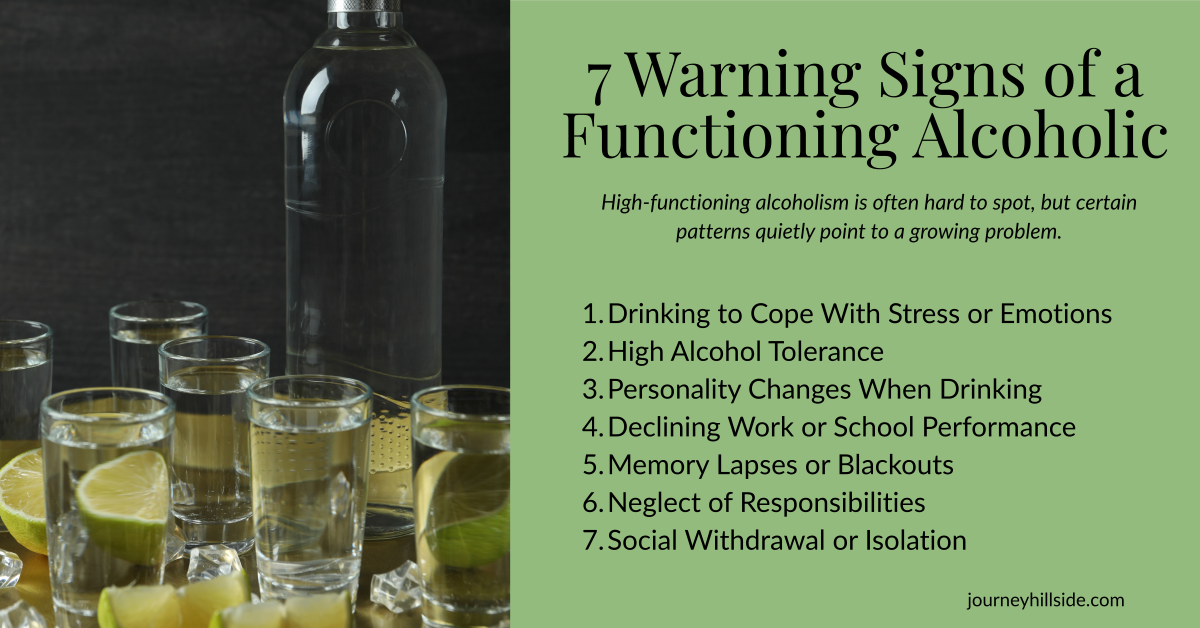
7 Signs of a Functioning Alcoholic
High-functioning alcoholism is often hard to spot because life may still look “together” on the outside, but certain patterns quietly point to a growing problem.
1. Drinking to Cope With Stress or Emotions
Alcohol consumption becomes the go-to way to relax, sleep, handle anxiety, or escape difficult feelings instead of just an occasional social activity.
2. High Alcohol Tolerance
Needing more drinks to feel the same effect, or consuming large amounts without appearing intoxicated, signals that the body is adapting to regular use.
3. Personality Changes When Drinking
Mood swings, irritability, defensiveness, or risky behavior may emerge when alcohol is involved, even if sobriety looks composed and controlled.
4. Declining Work or School Performance
Deadlines start slipping, motivation drops, or productivity declines—often explained away as stress or burnout rather than linked to drinking.
5. Memory Lapses or Blackouts
Gaps in memory, forgotten conversations, or waking up unsure how the night ended suggest alcohol is disrupting normal brain function.
6. Neglect of Responsibilities
Important tasks, relationships, or personal health begin to slide as drinking quietly takes up more time, energy, and mental space.
7. Social Withdrawal or Isolation
Avoiding people who might notice the drinking—or preferring to drink alone—can be a sign that alcohol is becoming private and protective rather than social.
Reach out for a confidential consultation to discuss your drinking habits by phone (877) 414-1024 or using our contact form.
Are You a Functioning Alcoholic? Self-Check Questions
These questions aren’t a diagnosis, but they can help you reflect honestly on your relationship with alcohol and whether it may be affecting you more than you realize.
- Do I drink to unwind, cope with stress, or manage difficult emotions?
- Have I tried to cut back and found it harder than expected?
- Do I need more alcohol now to feel the same effects I used to?
- Do I ever drink more or longer than I intended?
- Have others expressed concern about my drinking, even if I brush it off?
- Do I hide how much or how often I drink?
- Do I feel uneasy, irritable, or restless when I don’t drink?
- Has alcohol affected my memory, mood, or motivation?
- Do I choose drinking over responsibilities, relationships, or self-care?
- Do I think about when I’ll be able to drink next?
Need help? Begin your free, confidential assessment by phone (877) 414-1024 or using our contact form.
Why Many Functioning Alcoholics Stay in Denial
Denial often grows quietly in high-functioning alcoholism because the external signs of “success” make the problem easier to dismiss. Many people minimize their drinking by focusing on what still works in their life (such as holding a job or maintaining relationships) while overlooking subtle consequences. Chemical dependency education is important, and often the first step to recovery. Comparison also plays a role, with thoughts like “I’m not as bad as others” creating a false sense of safety. Justification becomes a daily habit: alcohol is framed as a reward, stress reliever, or social necessity rather than a risk.
Risk Factors for High-Functioning Alcoholism
High-functioning alcoholism rarely develops overnight; it is usually shaped by a mix of biology, life experiences, and environment that slowly make alcohol feel necessary rather than optional. Common risk factors include:
- A family history of alcohol use disorder or alcohol addiction
- High-stress careers or lifestyles with long hours and heavy responsibility
- Unresolved trauma, loss, or chronic emotional distress
- Anxiety, depression, or other untreated mental health disorders
- Social environments where drinking is normalized or encouraged
- Using alcohol as a primary way to relax, sleep, or manage stress
- Early or frequent exposure to alcohol
- Personality traits such as perfectionism or people-pleasing
- History of using substances to cope or escape
- Limited emotional support or isolation
Related read: What does an alcoholic look like? Physical Warning Signs
Early Intervention: Why Getting Help Sooner Matters
According ot a Recovery Research Institute study, recovery (or reduced-risk drinking) is more successful when alcohol dependence and functional problems are addressed early. This suggests that less severe cases respond better to intervention, making early detection and treatment more effective than waiting until a crisis.
Addressing high-functioning alcohol abuse early can prevent deeper physical dependence, emotional harm, and long-term health complications from taking root.
When support begins sooner, the brain and body have a better chance to recover, and unhealthy coping patterns are easier to replace with healthier ones. Early intervention also reduces the risk of relational damage, job loss, and medical crises that often emerge when drinking progresses unchecked.
Most importantly, getting help early allows you to regain clarity, balance, and control before alcohol quietly reshapes your life in more painful ways.
Getting Help for Functional Alcoholism: Next Steps
If you or someone you love is struggling with functional alcoholism, it’s important to know that stability doesn’t cancel out the risks of dependence. Delaying care allows harm to build over time, but today’s alcohol addiction treatment options are personalized and flexible—making recovery more attainable than ever.
Alcohol Rehab Program
An alcohol rehab program (or alcohol rehab programme) provides structured care designed to treat both dependence and its root causes. Treatment typically includes medical support, therapy, and relapse-prevention planning in a coordinated approach. Whether inpatient or outpatient, rehab helps individuals stop drinking safely, rebuild healthier routines, and address the underlying patterns that drive ongoing use.
Medical Alcohol Detox
For many people, the recovery process begins with medical alcohol detox at licensed detox centers. This stage focuses on safely managing alcohol withdrawal syndrome, which can range from anxiety and insomnia to dangerous complications like seizures. Clinical monitoring during detox helps reduce risk, manage symptoms, and stabilize the body before transitioning into therapeutic care.
Inpatient Treatment
Inpatient treatment provides 24/7 clinical care in a residential setting, offering the highest level of structure and support. This option is ideal for individuals with long-term dependence, previous relapses, or unstable home environments. Inpatient care removes daily triggers while providing intensive therapy, medical oversight, and a focused environment for healing.
Outpatient Treatment
Outpatient treatment offers structured recovery while allowing individuals to continue working, parenting, or managing daily responsibilities. Many outpatient rehab programs include therapy, medication support, and relapse prevention without requiring overnight stays. For those with mild to moderate dependence and a strong support system, outpatient care provides effective treatment with flexibility.
Individual Therapy / Family Therapy
Therapy is central to lasting recovery. For example, cognitive behavioral therapy (CBT) helps individuals identify triggers, change thought patterns, and develop healthier coping strategies. Individual therapy addresses personal challenges, while family therapy helps repair trust, improve communication, and educate loved ones about how alcohol dependence affects everyone involved.
SMART Recovery
For those seeking non-12-step options, SMART Recovery offers a science-based support model focused on self-empowerment and practical tools. Participants learn techniques to manage cravings, regulate emotions, and build motivation using structured exercises and peer accountability.
Alumni Support
Recovery doesn’t end after treatment—it evolves. Alumni support programs provide ongoing connection through support groups, events, and check-ins after formal care ends. Staying engaged in a recovery community significantly reduces relapse risk and helps individuals build a sustainable, alcohol-free life.
Find out what treatment your insurance covers by verifying your insurance with us.
How to Help a Loved One Who is a Functioning Alcoholic
Loving someone with a drinking problem can be confusing when they still “seem fine” on the surface. But functional alcoholism often hides emotional distress, health risks, and growing dependence. Knowing how to respond with clarity and care can make a real difference.
Helpful Ways to Support Them
- Learn the signs of functional alcoholism and dependence
- Avoid enabling behaviors (covering, lying, making excuses)
- Speak from concern, not accusation (“I’ve noticed…” instead of “You always…”)
- Set clear, healthy boundaries to protect your own well-being
- Encourage professional alcohol treatment and medical support
- Offer options, not ultimatums (treatment, therapy, support groups)
- Validate feelings without excusing harmful behavior
- Support accountability without trying to “fix” them
- Expect resistance and denial, change often takes time
- Take care of yourself through therapy, support groups, or trusted allies
Functioning Alcoholism FAQ
Here are some questions people also ask about being a functioning alcoholic and substance use disorders more generally:
What are the characteristics of a functioning alcoholic?
A functioning alcoholic can maintain work, relationships, and routines while hiding a growing dependence on alcohol. Common signs include drinking more than intended, needing alcohol to relax or cope, experiencing withdrawal symptoms, minimizing or denying drinking habits, and showing personality or mood changes when drinking isn’t possible.
What are the four types of alcoholic?
Research often highlights four broad subtypes:
- Young Adult: Early-onset drinking, heavy use, limited treatment engagement.
- Young Antisocial: Co-occurring mental health or behavioral issues with high-risk drinking patterns.
- Functional: High-achieving individuals who mask dependence with stability in work or family life.
- Chronic Severe: Long-term, high-level alcohol dependence with significant health and social consequences.
Can a functioning alcoholic just stop drinking?
Stopping suddenly can be dangerous and is often not successful without support. Many functioning alcoholics face withdrawal symptoms, strong psychological dependence, or relapse triggers. Medically supervised detox and structured treatment greatly improve safety and long-term recovery outcomes.
How many drinks a day is considered an alcoholic?
There’s no universal number, but drinking above recommended guidelines increases risk. Typically, consuming more than 3 drinks per day or 7 per week for women, and more than 4 per day or 14 per week for men, is considered heavy drinking. Dependence is defined less by quantity and more by loss of control, cravings, and continued drinking despite consequences.
Getting Help for Functioning Alcoholism
Do you identify with the signs of being a high-functioning alcoholic: keeping up with work, family, and daily life while privately struggling with alcohol? Journey Hillside Tarzana provides comprehensive treatment for alcohol use disorder and dual diagnosis.
Our team of experienced, compassionate clinicians understands how hidden alcohol dependence can progress and offers the personalized support needed to regain control. In our luxurious, supportive in-patient environment, patients receive evidence-based care to manage cravings, safely navigate withdrawal, and build long-term coping skills that strengthen mental health.
High-functioning alcoholism is often overlooked until the consequences become harder to hide. Reach out to Journey Hillside today by phone (877) 414-1024or secure contact form to learn more or to begin your free, confidential assessment.

Matthew Snyder, LMFT, C-DBT
Specialty: DBT Certified Therapist, Certified Anger Management Specialist
Matthew Snyder is a Licensed Marriage and Family Therapist and the Clinical Director of Journey Hillside Tarzana. He is a graduate of the University of California, Santa Cruz, where he completed his B.A in Psychology, and was awarded Honors in the Psychology Major. He is also a graduate of Pepperdine University, where he earned his Masters in Clinical Psychology.