What Happens If You Drink Rubbing Alcohol?
Published on: November 25, 2025 | Updated on: December 5, 2025
Risks, Symptoms, and What To Do Right Away
Drinking rubbing alcohol — which contains isopropyl alcohol — is a medical emergency. Even a small amount can cause severe poisoning, damaging the stomach, nervous system, and vital organs. People sometimes drink it accidentally, to self-harm, or to feel intoxicated when alcohol isn’t available.
Unlike regular drinking alcohol (ethanol), isopropyl alcohol is rapidly converted in the liver to acetone, which depresses the central nervous system and can lead to coma or death.
If misuse is linked to alcohol dependence or self-medication, professional treatment through alcohol addiction rehab can address both the chemical and emotional roots of the behavior.
If you or someone you care about has swallowed rubbing alcohol, call 911 or Poison Control (1-800-222-1222) immediately. Emergency treatment and medical detox may be needed to prevent life-threatening complications.
See the CDC’s guidance on poisoning emergencies for additional safety information.
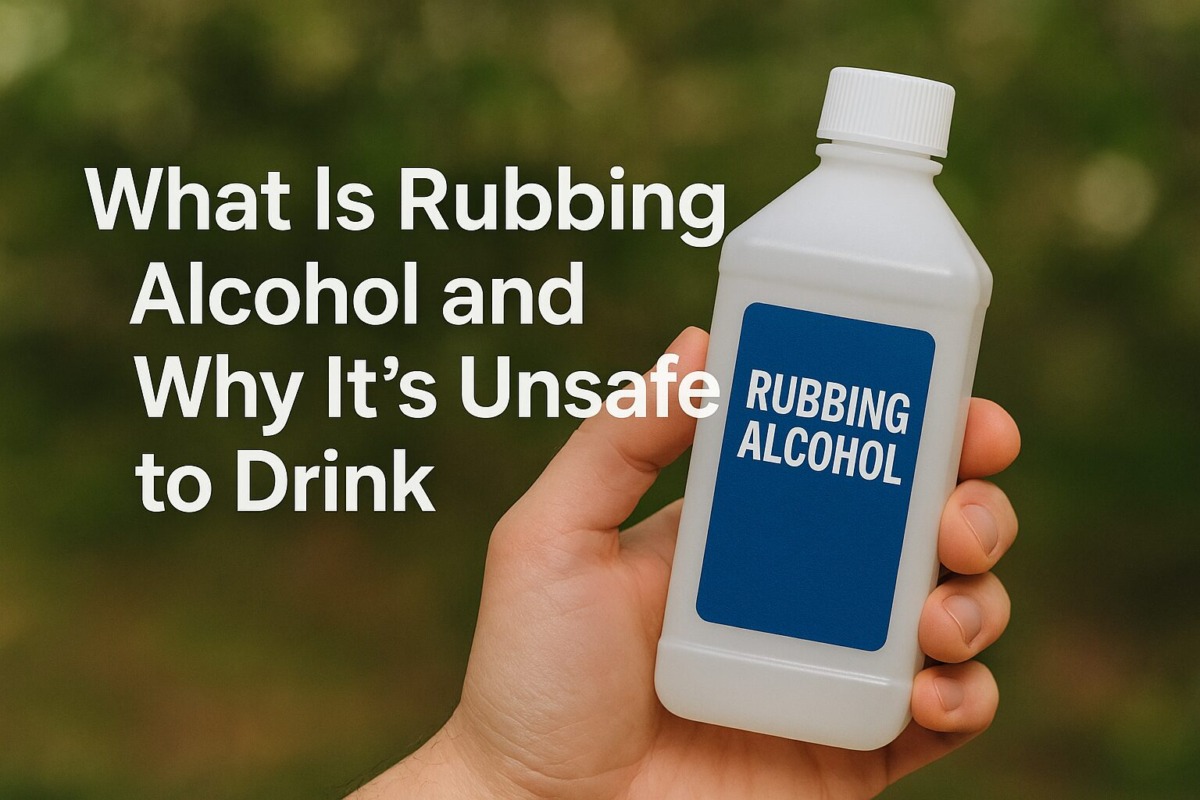
What Is Rubbing Alcohol and Why Is It Unsafe to Drink
Rubbing alcohol refers to solutions of isopropyl alcohol, usually sold as 70% or 91% mixtures with water. It’s intended for external use only — as a disinfectant or household cleaner. Because it’s inexpensive and widely available, ingestion can happen by accident or desperation.
Even small mouthfuls can irritate the digestive tract, slow breathing, lower blood pressure, and cause dangerous sedation.
Symptoms of Rubbing Alcohol (Isopropyl) Poisoning
Toxic effects of this type of alcohol can begin within minutes of ingestion. The severity depends on concentration, dose, and individual health factors.
Early signs may include:
- Burning pain in the mouth, throat, or stomach
- Nausea and vomiting
- Headache, dizziness, and slurred speech
- Drowsiness, confusion, or loss of coordination
Severe poisoning can cause:
- Slow or irregular breathing
- Low blood pressure or shock
- Seizures or coma
- Internal bleeding or chemical pneumonia from vomiting
- Organ failure and death
If any of these symptoms appear after suspected ingestion, seek emergency medical care immediately.
You can read more about isopropyl alcohol poisoning symptoms and treatment on MedlinePlus (U.S. National Library of Medicine) .
Why People Sometimes Drink Rubbing Alcohol
Most cases fall into three categories:
- Accidental ingestion – often in children or when the product is stored near beverages.
- Intentional self-harm – during crisis or despair.
- Substitution misuse – when people with alcohol dependence drink non-beverage alcohol to avoid withdrawal.
These scenarios highlight the overlap between medical emergency and addiction care. After stabilization, ongoing treatment at a trusted facility like Journey Hillside Tarzana can help individuals recover safely and prevent recurrence.
Learn more about our detox and residential programs that provide private, medically supervised environments for alcohol withdrawal and recovery.
What To Do Right Away If Someone Drinks Rubbing Alcohol
- Call 911 or Poison Control (1-800-222-1222) immediately.
- Do not induce vomiting and do not give activated charcoal — both can make things worse.
- Do not give alcoholic drinks to counteract poisoning.
- If the person is awake, small sips of water may be allowed only under the guidance of a professional.
- If unconscious or struggling to breathe, place them on their side and monitor until help arrives.
Prompt emergency care is essential. Doctors will evaluate breathing, heart rate, and blood chemistry to decide whether hemodialysis or mechanical ventilation is needed.
How Doctors Treat Isopropyl Alcohol Poisoning
Treatment focuses on airway, breathing, and circulation.
Typical hospital management includes:
- Oxygen and IV fluids to maintain blood pressure
- Airway protection (intubation) for coma or severe respiratory depression
- Monitoring of electrolytes, kidney, and liver function
- Dialysis in cases of severe toxicity or persistent coma
- Seizure control and stabilization of vital signs
Because isopropyl and acetone can both be removed by dialysis, early hospital care dramatically improves survival.
Long-Term Health Effects After Poisoning
With timely treatment, most people recover fully. However, serious cases can result in:
- Cognitive changes or memory issues
- Peripheral neuropathy (nerve damage)
- Kidney or liver injury
- Psychological effects such as depression or ongoing substance misuse
Journey Hillside’s integrated, dual-diagnosis approach treats both physical and emotional recovery. Explore our residential program or clinical therapies to support long-term healing.
How Isopropyl Differs From Ethanol and Methanol
| Type of Alcohol | Metabolite | Key Danger | Common Use |
| Ethanol | Acetaldehyde → Acetate | Intoxication, liver damage | Beverage alcohol |
| Isopropyl | Acetone | CNS depression, hypotension | Rubbing alcohol |
| Methanol | Formic acid | Blindness, severe acidosis | Industrial solvent |
Unlike methanol or ethylene glycol poisoning, antidotes such as fomepizole are not effective for isopropyl alcohol because its main metabolite (acetone) is less toxic, but the parent compound itself causes dangerous sedation and cardiovascular collapse.
Frequently Asked Questions About Drinking Rubbing Alcohol
Can you drink rubbing alcohol?
No. Rubbing alcohol (isopropyl) is toxic and should never be swallowed.
What are the immediate symptoms?
Nausea, vomiting, dizziness, confusion, low blood pressure, slowed breathing, and possible coma.
Can you get alcohol poisoning from rubbing alcohol fumes or skin contact?
Severe poisoning from skin or inhalation is rare but possible in poorly ventilated spaces or with prolonged exposure.
How much rubbing alcohol is fatal?
Ingesting just a few ounces can be deadly, depending on concentration and body weight. Always seek emergency care immediately.
Why do people drink it?
Some individuals with alcohol use disorder drink non-beverage alcohols during relapse or withdrawal. Compassionate, evidence-based treatment can help break this pattern safely.
Get Help for Alcohol Misuse and Poisoning Recovery
If you or someone you love has ingested rubbing alcohol or is struggling with alcohol misuse, help is available.
Journey Hillside Tarzana offers medically supervised detoxification and personalized residential treatment in a private, supportive setting designed for genuine healing.
- Verify your insurance confidentially
- Learn about our admissions process
- Explore holistic therapies like yoga and sound healing
Your recovery journey can begin today — safely, privately, and supported by a world-class clinical team.

Matthew Snyder, LMFT, C-DBT
Specialty: DBT Certified Therapist, Certified Anger Management Specialist
Matthew Snyder is a Licensed Marriage and Family Therapist and the Clinical Director of Journey Hillside Tarzana. He is a graduate of the University of California, Santa Cruz, where he completed his B.A in Psychology, and was awarded Honors in the Psychology Major. He is also a graduate of Pepperdine University, where he earned his Masters in Clinical Psychology.