
What Is the Healthiest Alcohol to Drink? Evidence-Based Guide
Published on: December 5, 2025 | Updated on: December 10, 2025
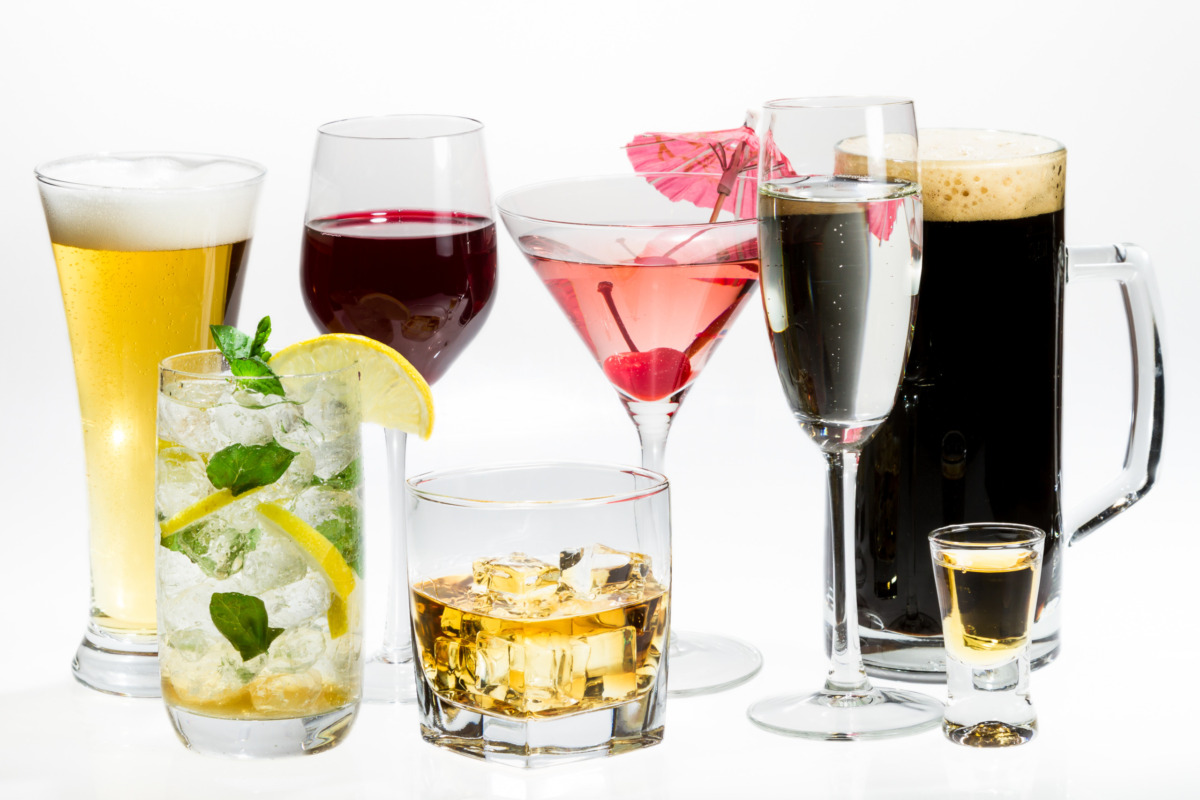
When people search for the “healthiest” alcohol, what they usually want is the option that does the least harm, not a drink that actually improves health. The truth is that no alcohol is truly healthy, but some choices carry a lower risk depending on alcohol strength, sugar content, portion size, and how often you drink.
This guide breaks down what science really says about alcohol’s effects on your body and how to make smarter, lower-risk choices if you choose to drink. You’ll also find practical harm-reduction strategies and myth-busting facts to help you separate wellness marketing from factual evidence.
If you or someone you care about is ready to heal from addiction, fill out a secure, confidential form or call our team at 877-414-1024 to find out more about our detox facility in Tarzana, CA.
Is Any Alcohol Actually “Healthy”?
The real answer: None are healthy, but some are less harmful.
No alcoholic beverage is intrinsically healthy because all contain ethanol, which carries health risks even at low levels for some outcomes. Relative differences matter: red wine contains small amounts of phenolic antioxidants, dark liquors may contain more congeners that worsen hangovers, and beer provides some B vitamins and silicon.
Those relative differences do not cancel alcohol harms, but they can inform lower-risk choices for people who choose to drink, such as favoring lower-ABV options and minimizing added sugars and excess servings.
What matters MORE than the drink type:
- Number of drinks consumed
- Percentage of alcohol content
- Drinking frequency
- Sugar content in drinks
- Hydration before, during, and after drinking sessions
- Sleep quality
- Genetics
Does Alcohol Offer Any Real Health Benefits?
No alcoholic beverage is truly healthy because ethanol itself increases risks for cancer, liver disease, alcohol use disorder, and other conditions.
Some studies once suggested low levels of consumption might be associated with lower coronary disease in certain populations, but those findings are confounded by lifestyle and socioeconomic factors and do not prove a protective effect.
Any potential short-term cardiovascular signal does not outweigh the increased risk for cancers and other harms, so alcohol should not be used as a health intervention.
Alcohol Health Metrics Chart
| Drink Type | Typical Serving Size | Calories | Carbs | Sugar | % Alcohol (ABV) |
| Beer | 12 fl oz (355 ml) | ~150 | ~10–13 g | <1 g | ~4–5% |
| Wine (table) | 5 fl oz (150 ml) | ~120 | ~3–5 g | ~1–2 g | ~12–14% |
| Vodka | 1.5 fl oz (45 ml) | ~97 | 0 g | 0 g | ~40% |
| Rum | 1.5 fl oz (45 ml) | ~97 | 0 g | 0 g | ~40% |
| Whiskey | 1.5 fl oz (45 ml) | ~100 | 0 g | 0 g | ~40–50% |
| Tequila | 1.5 fl oz (45 ml) | ~97 | 0 g | 0 g | ~40% |
| Gin | 1.5 fl oz (45 ml) | ~97 | 0 g | 0 g | ~40–47% |
| Hard Cider | 12 fl oz (355 ml) | ~180 | ~15–25 g | ~10–20 g | ~4–8% |
Quick notes:
- Distilled spirits (vodka, tequila, whiskey, gin, rum) are naturally carb- and sugar-free unless flavored or mixed.
- Beer, wine, and cider vary widely by brand, sweetness level, and alcohol strength.
- Calories rise with alcohol percentage and with added sugars from mixers or sweet styles.
Healthier Choices by Alcohol Type
There are comparatively healthier choices when you are deciding what alcohol type to consume. Here are some examples:
Healthier Wine Options
Red wine contains compounds like resveratrol and other polyphenols that show biological activity in laboratory studies, yet the amounts present in typical servings are tiny compared with doses used in experiments.
Observational studies once suggested moderate wine consumers had lower heart disease rates, but confounding by lifestyle and socioeconomic factors is substantial. Relying on wine for a health benefit is not supported by current evidence, and the potential cardiovascular signals do not overcome the increased cancer risk linked to alcohol.
Healthier Beer Options
Light beer usually has lower alcohol by volume and fewer calories per serving than regular or high-ABV craft beers. That makes light beer a reasonable harm-reduction option for people who want fewer calories and less ethanol per can or bottle.
Because alcohol-related risks scale with total ethanol consumed, choosing lower-ABV beers helps reduce those risks when total volume stays limited.
Healthier Spirits (Liquor) Options
Clear spirits are often perceived to cause fewer hangovers; this is partly true in relation to congeners, yet any spirit with the same ethanol content poses the same long-term risks.
Prioritizing lower-proof options or alternating alcoholic drinks with water and setting a drink limit are more powerful strategies to reduce both immediate and cumulative harms than relying solely on spirit color.
Attention to serving size and pacing remains central to harm reduction.
Practical Harm-Reduction Strategies
Lower risk choices include limiting total standard drinks per occasion, choosing lower-ABV beverages, avoiding sugary mixers, alternating drinks with water, eating before and during drinking, and selecting alcohol-free alternatives when appropriate.
People with a personal or family history of addiction, pregnancy, certain medical conditions, or medication interactions should avoid alcohol entirely. When drinking causes harm or is hard to control, professional support can provide confidential, effective treatment options.
Low or moderate drinking is still linked with measurable increases in the risk of certain cancers, especially breast and upper aerodigestive cancers, and contributes to liver disease, cardiomyopathy, injury, and mental health problems in some people.
There is no universally safe level of drinking for every person, and risk increases with cumulative amount and frequency.

Alcohol Myths That Won’t Die (What Science Really Says)
There are tons of pervasive myths about “healthy” ways to drink alcohol. Let’s take a look at (and debunk) a few of them.
Myth #1: Tequila Gets You Drunker Than Other Alcohols
Tequila doesn’t get you drunker than other types of alcohol; what matters is the amount of pure alcohol you consume, not the brand or type of drink. A tequila shot, a glass of wine, and a beer with equal alcohol content will affect your blood alcohol level the same way.
Controlled studies have found that when beer, wine, or liquor is consumed under comparable conditions and amounts, the peak blood-alcohol concentration (BAC) tends to be similar.
Myth #2: Tequila Prevents Hangovers
Tequila does not prevent hangovers; hangover symptoms are caused by dehydration, inflammation, and toxic byproducts of alcohol metabolism, which occur regardless of the type of alcohol you drink.
Sugary mixers and drinking large amounts increase hangover risk far more than whether the alcohol is tequila, vodka, or wine.
Myth #3: Wine and Tequila Are “Good” for You
Wine and tequila are not “good” for you; any potential benefits from antioxidants in wine or compounds in agave are outweighed by alcohol’s proven risks to the liver, brain, heart, and cancer risk.
Drinking alcohol for health purposes is not recommended by medical authorities because ethanol itself is toxic to the body.
Myth #4: Vodka and Gin Are the “Cleanest” Alcohols
Vodka and gin are not “cleaner” or safer than other alcohols; all alcoholic drinks contain ethanol, which is the substance that causes intoxication and organ damage. While these spirits may have fewer additives, they still stress the liver and increase health risks just like any other alcohol.
Medical reviews show that once ingested, ethanol is metabolized in the same way in the body, producing harmful byproducts (like acetaldehyde) that damage cells and organs, independently of whether the source was a spirit, a beer, or wine.
Myth #5: Beer Is Safer Than Liquor
Beer isn’t safer than liquor; what matters is how much pure alcohol you consume, not the form it comes in—drinking enough beer to match the alcohol in shots of liquor results in the same level of intoxication and risk to your body.
The World Health Organization (and other public-health authorities) note that health risks, including cancer, arise from the ethanol itself, regardless of whether it’s in spirits, wine, or beer.
Frequently Asked Questions
Here are some questions people also ask about the healthiest alcohol choices:
What is a standard drink in the USA?
A “standard drink” expresses alcohol intake in a consistent unit so people can compare servings across beverage types and track consumption accurately. In the United States, one standard drink contains 14 grams of pure ethanol, which approximates 12 fluid ounces of 5% beer, 5 fluid ounces of 12% wine, or 1.5 fluid ounces of 40% spirits.
How to calculate grams of alcohol in any serving?
To calculate grams of alcohol in a drink multiply the volume in milliliters by the alcohol by volume expressed as a decimal, then multiply by 0.789 (the density of ethanol in g/ml).
For quick reference, common servings that equal one US standard drink are 12 fl oz (355 ml) beer at 5% ABV, 5 fl oz (148 ml) wine at 12% ABV, and 1.5 fl oz (44 ml) distilled spirits at 40% ABV.
International standard drink amounts vary, so check local guidance; accurate tracking makes it easier to limit intake and compare beverage choices for their health impact.
What Is the Least Harmful Alcohol to Drink?
No type of alcohol is truly “safe,” but drinks with lower alcohol content, minimal sugar, and fewer additives (like dry wine, light beer, or spirits with soda water) tend to be less harmful when consumed in moderation.
The biggest factor isn’t the drink itself; it’s how much, how often, and how quickly you drink it.
What Is the Healthiest Alcohol for Weight Loss?
There is no “healthy” alcohol for weight loss, but lower-calorie options like vodka or tequila with soda water, dry wine, or light beer are less likely to slow fat loss when consumed sparingly.
Alcohol still disrupts metabolism and increases appetite, so avoiding it altogether is the most effective option for weight goals.
What Is the Healthiest Mixed Drink?
The healthiest mixed drinks are those made with straight spirits and zero-sugar mixers like soda water, lime, or unsweetened tea (for example, a vodka soda or tequila with lime). Sugary juices, syrups, and energy drinks add empty calories and worsen hangovers.
Start Safer Drinking or Get Confidential Help Today
If alcohol is causing problems for you or a loved one, confidential professional support can make a decisive difference; Journey Hillside Tarzana offers private, evidence-based residential and detox services tailored to individual needs.
Start a safer path now; fill out a secure, confidential form or call our team at 877-414-1024 to find out more about our detox facility in Tarzana, CA.
—
References:
- Centers for Disease Control and Prevention. (2025). About Moderate Alcohol Use. https://www.cdc.gov/alcohol/about-alcohol-use/moderate-alcohol-use.html
- CDC. (2025). Alcohol Use and Your Health. https://www.cdc.gov/alcohol/about-alcohol-use/index.html
- CDC. (2025). Alcohol and Cancer. https://www.cdc.gov/cancer/risk-factors/alcohol.html
- Mayo Clinic. (2025). “Alcohol use: Weighing risks and benefits.” https://www.mayoclinic.org/healthy-lifestyle/nutrition-and-healthy-eating/in-depth/alcohol/art-20044551
- Mayo Clinic Health System. (2023). Does Drinking Alcohol Kill Brain Cells? — Long-Term Effects on the Brain and Cancer Risk. https://www.mayoclinichealthsystem.org/hometown-health/speaking-of-health/does-drinking-alcohol-kill-brain-cells
- CDC. (2024). About Standard Drink Sizes. https://www.cdc.gov/alcohol/standard-drink-sizes/index.html
- CDC. (2024). Getting Started With Drinking Less. https://www.cdc.gov/drink-less-be-your-best/getting-started-with-drinking-less/index.html

Matthew Snyder, LMFT, C-DBT
Specialty: DBT Certified Therapist, Certified Anger Management Specialist
Matthew Snyder is a Licensed Marriage and Family Therapist and the Clinical Director of Journey Hillside Tarzana. He is a graduate of the University of California, Santa Cruz, where he completed his B.A in Psychology, and was awarded Honors in the Psychology Major. He is also a graduate of Pepperdine University, where he earned his Masters in Clinical Psychology.